Most guides to Napa wine tasting spend a lot of time telling you which wineries are famous and not much time telling you how to actually have a good day. This is the other kind of guide.
What actually makes or breaks a Napa tasting trip isn’t which names you visit. It’s how you structure the day. How many stops you book. Whether you have reservations or wing it. Whether you understand that Napa isn’t one place but sixteen, and that what you taste in Stags Leap is genuinely different from what you taste in Carneros.
This guide covers all of it: reservation reality, the honest fee math, how to read the appellation map, what time of year to go, and the tradeoffs between the famous-and-busy estates and the small family wineries where someone might actually answer your questions.
If you’re planning a first trip to Napa, or your first serious one, read this before you book anything.
How Napa Valley Wine Tasting Actually Works
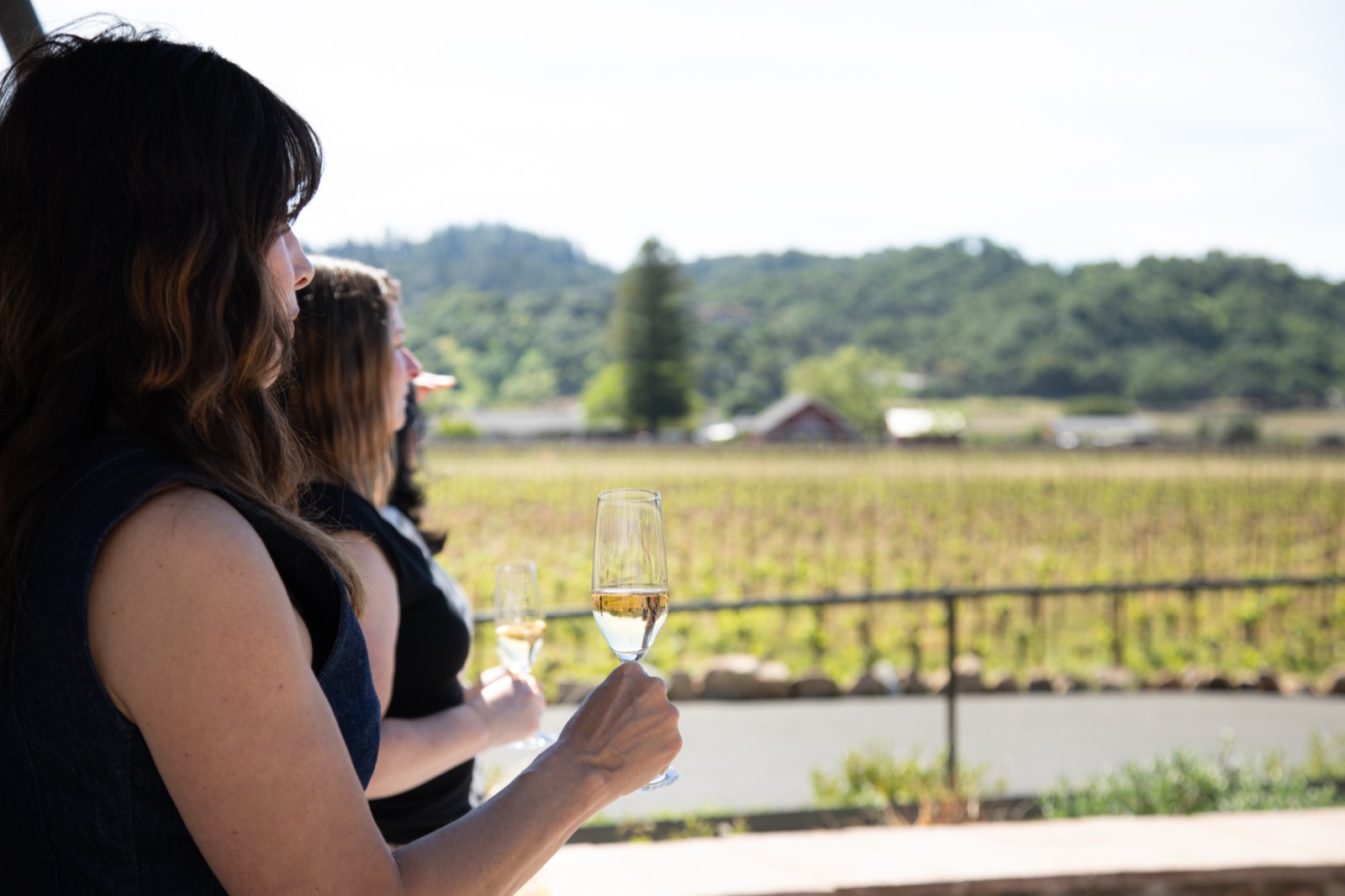
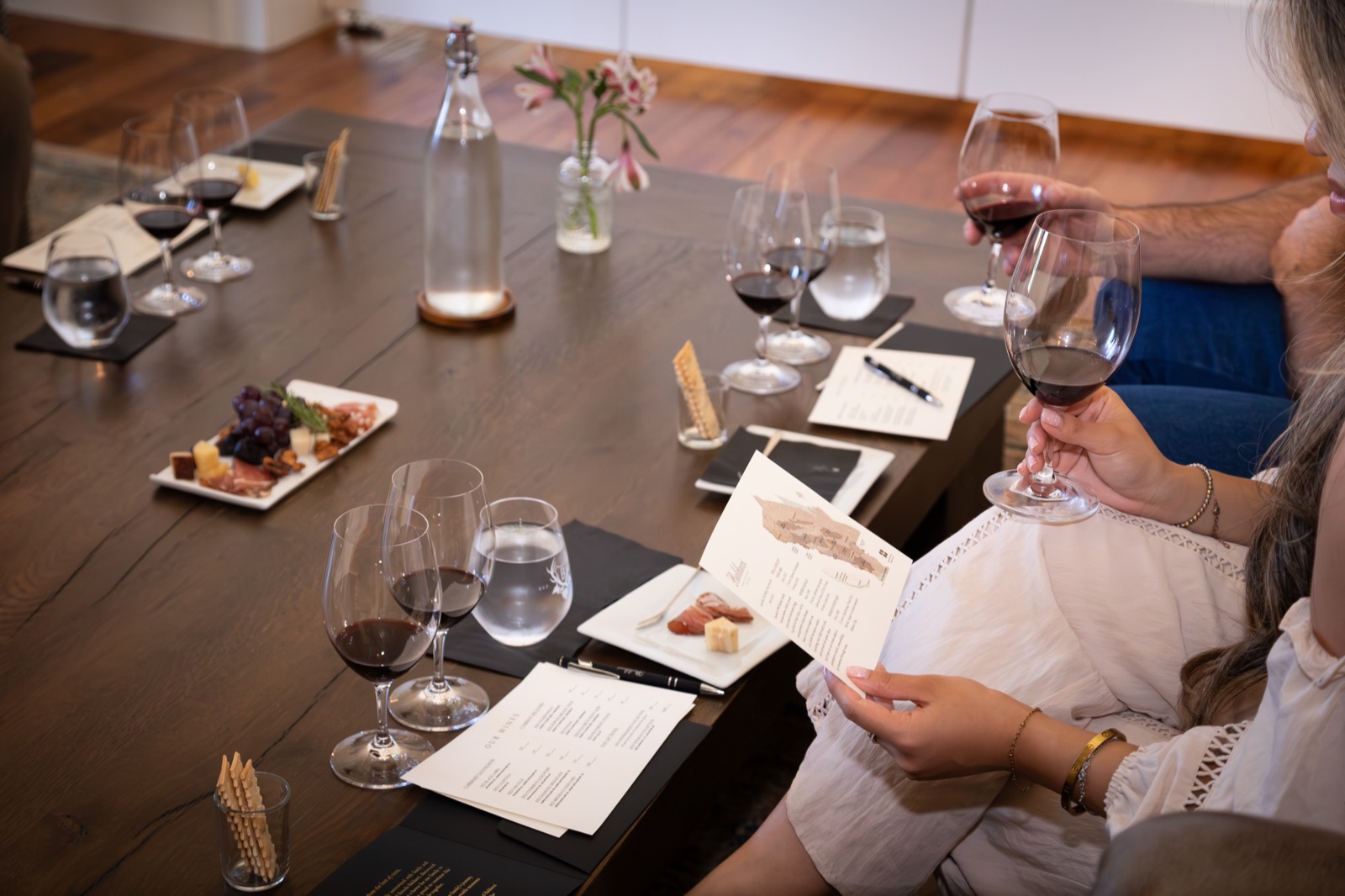
Napa Valley wine tasting is built around a reservation-and-host model: you book a time, you arrive, and a tasting room host walks you through a flight of the winery’s wines, typically four to six pours, while explaining what you’re tasting, how each wine was made, and what makes the estate’s approach distinct.
Sessions run 60 to 90 minutes at most places. At the better ones, it’s a real conversation, not a recitation. You’ll hear about the specific blocks the grapes came from, how the wine was farmed, why this vintage turned out the way it did. At the best ones, you leave knowing something you didn’t know when you arrived.
That’s the experience Napa is actually selling. Not just the wine in the glass, but the story behind it. The geography, the farming decisions, the reasons this particular bottle tastes the way it does. If you approach a tasting trip with that in mind, you’ll get a lot more out of it.
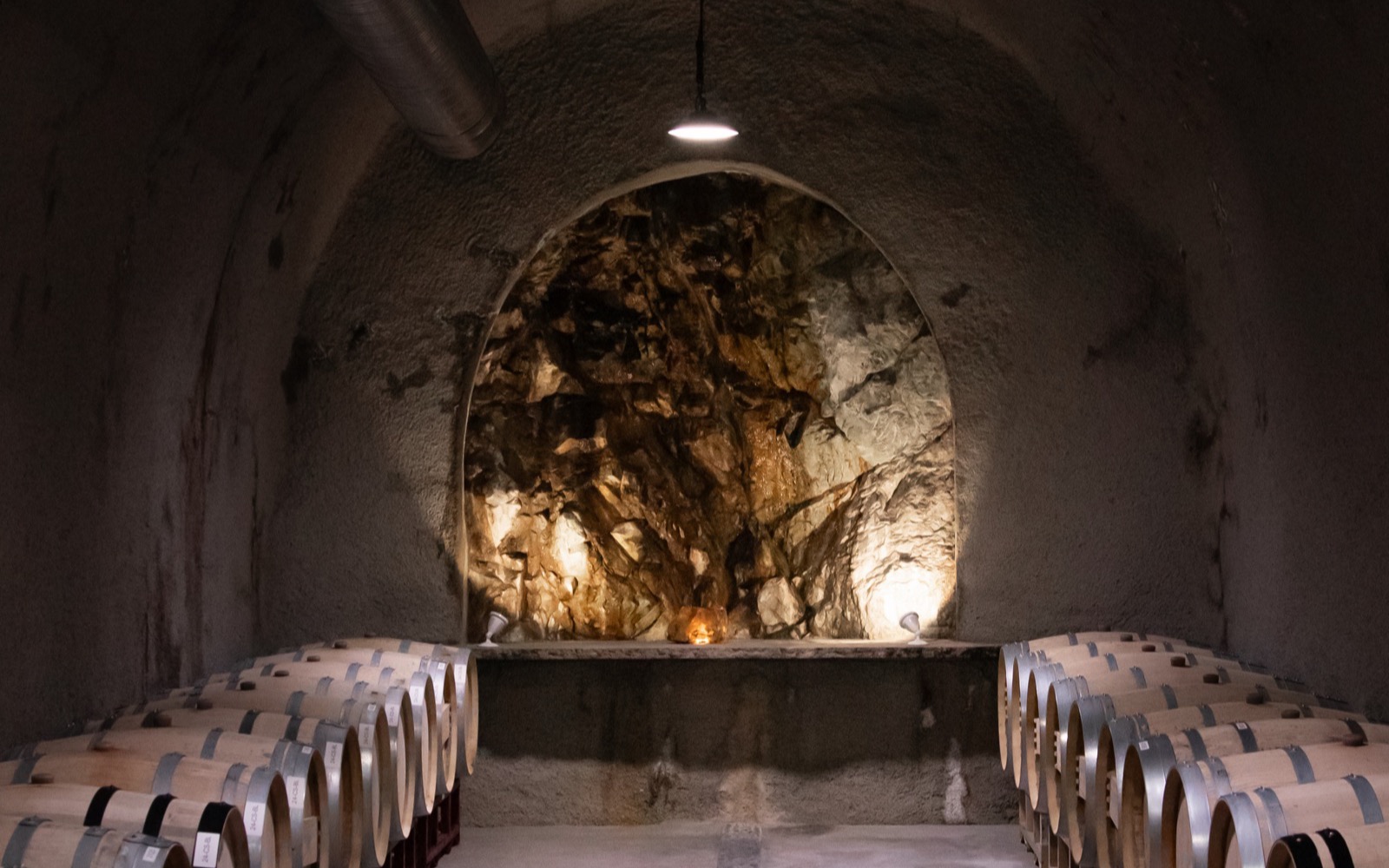
Beyond the standard seated tasting, most wineries offer extended options: cave tours, vineyard walks, library-wine flights, barrel tastings, and private seated experiences with food pairings. These typically cost more and require separate booking, but they’re also where the most memorable experiences tend to happen.
How Many Wineries Can You Visit in a Day in Napa?
Three. That’s the number.
Not five. Not six. Not “we’ll see how we feel.” Three wineries, with real time between them to breathe, have lunch, and actually process where you’ve been.
Here’s why that number matters: each winery worth visiting has a story. How they farm. What their land looks like and why it produces what it produces. What makes their approach different from the winery two miles down the road. That story is just as important as the wine in the glass, and when you’re rushing from stop to stop, you stop hearing it.
At three wineries, you can give each one a proper 60 to 90 minutes, fit in a real lunch in the middle of the day, and leave feeling like you actually experienced something. At six, the later stops become more about consumption than learning. Your palate is fatigued, your attention is elsewhere, and you’re going through the motions.
Three also leaves room for one of the underrated pleasures of a Napa trip: lingering. If you’re at a winery and the conversation is good and you want to stay another half hour, you can. That flexibility disappears the moment you’ve stacked too many reservations.
Do three wineries, build in a proper lunch, and resist the urge to optimize every hour. The best days in Napa have some breathing room in them.
Do You Need Reservations for Napa Wine Tasting?
Yes, for most of the experiences worth having.
Napa has moved almost entirely to a reservation model over the last several years. Most estate wineries require advance booking, and popular properties fill up weeks ahead during spring and summer. If you arrive without reservations expecting to walk in somewhere memorable, you’ll likely end up at a wine bar in downtown Napa, which is fine, but it’s not the same thing.
Walk-in experiences do still exist. There are tasting rooms and wine bars in downtown Napa, a few spots along Highway 29, and some smaller producers who stay intentionally walk-in-friendly. If you want flexibility, it’s entirely possible to book one or two reservations and leave space in the day for a spontaneous stop.
But if you’re making the trip, book at least one reserved, guided estate experience. A properly hosted tasting, where a knowledgeable host takes you through the property, the wines, and the story behind them, is a completely different experience from pouring yourself a glass at a walk-up bar. Both are enjoyable. But if you only do the walk-up version, you’ve seen a fraction of what Napa actually offers.
The practical booking timeline: 2–4 weeks ahead for spring and summer, 6–8 weeks for harvest season (September–October), 1–2 weeks for fall and winter. Weekdays are consistently easier to book than weekends throughout the year.
If Baldacci is on your shortlist, you can reserve a seated tasting directly and build the rest of your day around it.
How Much Do Napa Wine Tastings Cost in 2026?
Tasting fees have risen significantly across the valley over the last several years. Here’s the realistic range heading into 2026:
- Walk-in / informal tasting rooms: $30–$60 per person
- Seated estate tastings: $65–$100 per person
- Guided tours with tasting: $100–$150 per person
- Reserve or library flights, private experiences: $150–$300+ per person
The honest question is what you’re actually paying for at each level.
At the upper end, you’re typically getting two things: extremely limited wines (small-production bottles that don’t sit on retail shelves and in many cases can only be purchased or tasted at the winery) and a host who is genuinely expert in what they’re pouring. The education is part of what you’re paying for. If you want to leave a tasting actually understanding what you drank and why it tastes the way it does, a $125 guided experience with a knowledgeable host is a reasonable investment.
At the lower end, you’re usually getting current-release wines in a higher-volume setting. That’s not a knock. Sometimes you just want a relaxed afternoon with a glass in your hand. But if depth and discovery are the goal, budget accordingly.
A few practical notes on fees: many wineries waive the tasting fee with a purchase above a certain amount, often $50–$100 per person in wine. It’s worth asking when you book. And tasting fees at most places apply per person regardless of how much wine you consume, so the math is the same whether you drink everything poured or dump half of it.
Famous Winery or Small Winery: What’s the Real Tradeoff?
The short answer: famous estates offer iconic properties and polished hosting; small family wineries offer lower fees, more individual wines, and a real chance of meeting the person who made them.
This is the question worth thinking through before you book your day.
The famous names in Napa, the ones you’ve seen on wine lists for years, charge for what they are: established estates with iconic properties and, often, genuinely exceptional wines. A tasting at one of those places is an event. You’re on a beautiful property, you’re drinking wines with real reputations, and you know the name when you leave. For a lot of visitors, that’s exactly what they came for.
What you’re less likely to get is the winemaker. Or a family member. Or a conversation that goes somewhere unexpected, where you ask a question and the person answering it actually made the wine or farmed the vines. The hosted experience at large, well-known estates tends to be polished and reliable, but it’s also a volume operation, and there’s a ceiling on how personal it can be.
At a smaller, family-owned winery, the calculus flips. The fees are typically lower. The production is smaller, which means more focused winemaking decisions and wines that often show more distinctly individual character. And there’s a real chance the person pouring your wine has a direct connection to how it was made.
The best approach: build your day with at least one of each. Do a storied estate if that’s on your list. It’s worth experiencing. Then do a small family winery. Compare them at the end of the day. That contrast will teach you more about Napa than either tasting could on its own.
How Napa’s Appellations Change What You’ll Taste
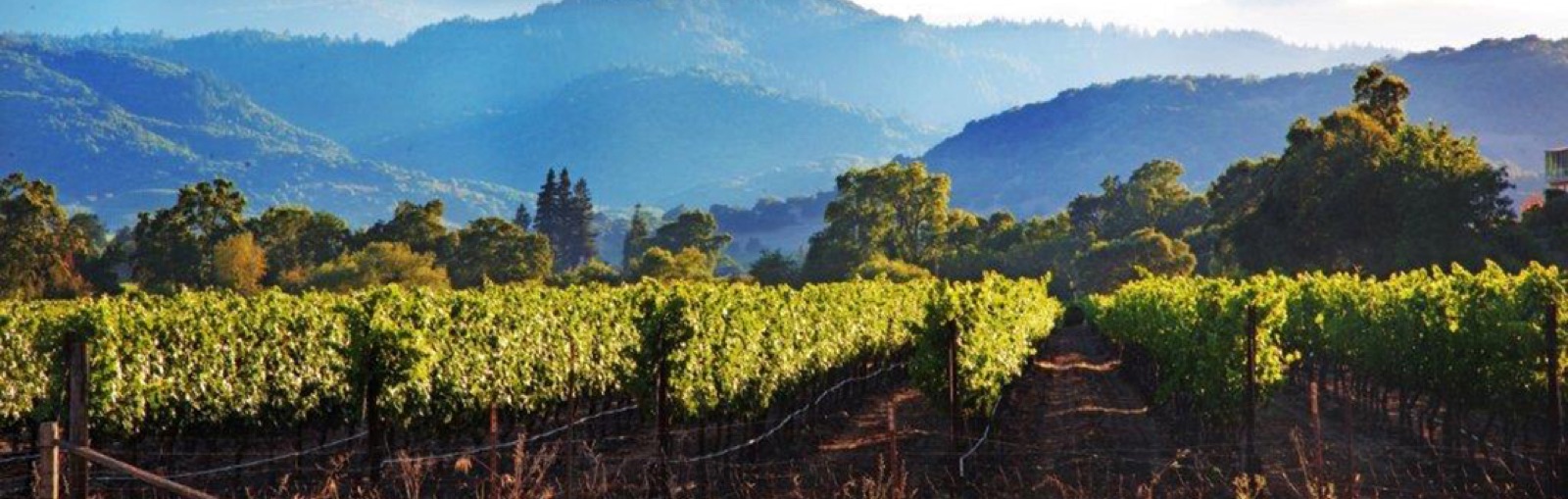
Napa Valley contains 16 federally recognized sub-appellations, distinct growing areas with meaningfully different soils, elevations, and climates. These differences show up in the glass, and understanding them helps you build a more intentional itinerary.
Here’s an orientation to the ones most relevant for a first or second visit:
Stags Leap District — The southeastern valley floor, with volcanic soils and a natural amphitheater that traps afternoon heat while evening winds off San Pablo Bay cool the vines overnight. The Cabernets here are known for their combination of structure and suppleness, with firm tannins and a polished, accessible quality even when young. Baldacci Family Vineyards is located here on the Silverado Trail.
Oakville and Rutherford — The geographic and historical center of Napa Cabernet. Deep alluvial soils, long growing season, and the famous Rutherford bench, a stretch of well-drained benchland that has produced benchmark Napa Cabernet for over a century. Expect concentrated, complex wines built for aging.
St. Helena — The widest section of the valley floor, with excellent sun exposure and well-drained soils. Known for powerful, structured Cabernets with a more opulent character.
Calistoga — The northern end of the valley, warmer than the south, with volcanic soils. Wines here tend to be bigger and more forward, with richer fruit and approachable tannins in their youth. Baldacci farms Stella Knight Vineyard here.
Los Carneros — The southern end where Napa and Sonoma overlap, directly influenced by cold marine air pushing in off San Pablo Bay. This is Pinot Noir and Chardonnay country, producing cool-climate wines with real acidity and elegance that feel completely different from the Cabernet-dominant character of the upper valley. Baldacci farms Honey Bee Vineyard here.
Coombsville — The eastern foothills south of Napa city, a newer AVA with volcanic soils and cool afternoons. One of the valley’s underrated spots for structured, ageworthy Cabernet with genuine freshness.
If you have two days, consider anchoring one in the southern valley (Stags Leap, Carneros, Coombsville) and one in the middle to northern corridor (Oakville through Calistoga). The contrast in what you taste will make the trip significantly more interesting.
Best Time of Year for Napa Wine Tasting
Spring (March through May) offers the best balance of weather, access, and thin crowds; harvest (September and October) has the most energy but needs the most booking lead time.
Napa is a year-round destination, but each season offers something different, and the right time to visit depends on what you’re after.
Spring (March–May) is the most underrated window in the valley. The vineyards are bright green after winter rains, wildflowers are still out on the hillsides, and the crowds are noticeably thinner than summer. Reservations are easier to get, tasting room staff have more time for you, and the weather is mild enough for outdoor experiences without the summer heat. If flexibility and access matter to you, spring is hard to beat.
Summer (June–August) is peak season. It’s hot, it’s busy, and the valley is fully alive with visitors. That energy is part of the appeal. Outdoor tastings and evening events are at their best in summer, and the golden light in the late afternoon is genuinely beautiful. Plan to book reservations 3–4 weeks ahead, schedule outdoor activities in the morning before the heat builds, and expect more competition for tables at the better restaurants.
Harvest (September–October) is the season most people picture when they think of Napa. There’s real energy in the valley during harvest: grapes coming off the vines, crush operations running at wineries, the whole place humming with focused activity. The light in October is exceptional. It’s also the most competitive time to visit, so book 6–8 weeks ahead and strongly consider weekdays over weekends. If harvest is your goal, plan early.
Winter (November–February) is the locals’ season. The vines are dormant, the crowds are gone, and the valley is quieter than at any other point in the year. Tasting rooms are less rushed, hosts have more time to engage, and you can often get into places that would turn you away in July. Some years the hills stay green well into winter from fall rains. If you want the most personal version of a Napa tasting experience, January and February are seriously underrated.
What to Wear to a Napa Wine Tasting
Napa is not formal. It’s also not a farmers market. The working dress code is smart casual, the kind of thing you’d wear to a nice lunch on a weekend.
A few practical notes that matter more than most people expect:
Wear comfortable shoes. Many winery experiences involve gravel paths, uneven terrain, vineyard walks, and cave tours. Heels are a consistent problem on cave tours and barrel-room floors. Comfortable flats or clean casual shoes are the right call for almost any winery visit.
Bring a layer. Even in summer, fog and coastal breezes roll into the southern valley and temperatures drop after sunset. A light jacket is almost always useful, especially in Carneros or for any late-afternoon outdoor experience.
Go light on fragrance. Wine tasting is heavily olfactory. What you smell is as important as what you taste. Strong perfume or cologne interferes with your ability to nose the wines and, frankly, with the experience of the people around you. It’s considered a courtesy to skip it.
Keep it simple. You don’t need to dress to impress. The wineries that would judge your outfit aren’t the kind of wineries worth visiting.
Napa Wine Tasting for Beginners: What to Know Before You Go
If this is your first time approaching wine seriously, or your first time in Napa, a few practical points will make the experience significantly better.
You don’t have to drink everything. Every tasting includes a dump bucket. Using it is normal, expected, and completely unnoticed by your host. Dump anything that isn’t working for you, or use it to pace yourself across a long day.
Say what you don’t know. The best tasting experiences are conversations. If you don’t know the difference between a Cabernet and a Merlot, say so. A good host will take you through it. That’s exactly what they’re there for. The vocabulary (terroir, malolactic fermentation, Brix levels) will come up; don’t worry about it if it’s unfamiliar. Good hosts explain as they go.
Write down what you like. Not detailed tasting notes, just a winery name and a one-line impression while the glass is still in front of you. Wine memory fades fast, especially across multiple stops. If you taste something you want to find again, capture it before you leave.
Eat before you go. A proper breakfast before your first tasting and a real lunch in the middle of the day make a substantial difference. Don’t treat food as optional in Napa.
Don’t chase the famous names by default. If you have a bucket-list winery you’ve always wanted to visit, go. But don’t build your entire day around name recognition. Some of the most memorable experiences in the valley happen at places you’d never heard of before you pulled in the driveway.
If you’re still choosing stops, our guide to the best wineries in Napa for first-timers shows how to build a shortlist around contrast instead of fame.
A Practical Day Template
Here’s a structure that works for a first visit, or any visit where you want the day to actually flow.
Morning (10:00–11:30 AM): Your most anticipated winery. Your palate is freshest, your energy is up, and you’ll give the experience the attention it deserves. If you’ve booked a guided tour or a reserve tasting, put it here.
Midday (12:00–1:30 PM): Lunch. Napa has excellent food. Yountville, St. Helena, and downtown Napa all have restaurants worth the time. Don’t treat this as a fuel stop. It’s part of the day.
Afternoon (2:00–3:30 PM): Second winery. Try to contrast with the morning stop. If your first was a large, well-known estate, do a small family winery here, or switch appellations.
Late afternoon (4:00–5:00 PM): Optional third stop. Keep it relaxed: a wine bar, a walk-in tasting room, or a winery with a casual atmosphere. You’ve already done the depth. This is the wind-down.
Evening: Dinner in the valley or head back toward wherever you’re staying. The drive out of Napa at sunset, especially heading south on the Silverado Trail, is worth not rushing through.
Getting Around: Transportation in Napa
Napa is a driving destination, but you should not be the one behind the wheel if you’re doing full tastings at multiple wineries.
Car services and hired drivers are the standard approach for groups and for anyone who wants to do the day properly without a designated driver. There are plenty of local operators in the valley, and the cost splits reasonably across a group.
Rideshare (Uber, Lyft) works in Napa, but with caveats: wait times at rural wineries can be long, and availability during peak hours isn’t always reliable. It works as a supplement but not as your only transportation plan.
Designated driver is an option if one person in your group is willing to taste minimally or skip it. It’s a significant ask, but it works.
Figure out transportation before you book wineries. It determines how far you can range, how flexible you can be, and whether the whole day stays enjoyable or turns stressful.
FAQ
How does Napa Valley wine tasting work? You book a reservation at a winery, arrive at your scheduled time, and a host pours you a flight of four to six wines while walking you through what you’re tasting, how it was made, and what makes the estate’s approach distinct. Sessions run 60–90 minutes. Many wineries also offer extended experiences: cave tours, vineyard walks, library wine flights, and private seated meals paired with wines.
How many wineries can you visit in a day in Napa? Three is the practical maximum for a genuinely enjoyable day. Each proper tasting takes 60–90 minutes; add drive time and a real lunch and you have a full day. More than three stops and the later tastings tend to become more about keeping pace than actually experiencing anything. Build in breathing room and you’ll remember the day better.
Do you need reservations for Napa wine tasting? For most estate experiences, yes. The majority of wineries in Napa require advance reservations, and popular properties fill out weeks ahead during peak season. Walk-in wine bars and casual tasting rooms still exist, particularly in downtown Napa. But if a specific winery is on your list, book before you leave home, especially May through October.
How much does Napa wine tasting cost in 2026? Fees range from $30–$60 for informal walk-in tastings to $100–$300+ for guided estate experiences with reserve or library wines. Budget roughly $75–$125 per person per winery for a standard seated estate tasting. Many winery fees are waived with a wine purchase above a certain threshold, worth asking about when you book.
What is the best time of year for Napa wine tasting? Spring (March–May) is the most underrated: green vineyards, thinner crowds, easier reservations. Harvest (September–October) has the most energy but requires the most lead time for bookings. Summer is peak season, beautiful and busy, so book 3–4 weeks ahead. Winter is quiet and often the most personal, with smaller crowds meaning more time with your host. Napa is worth visiting in any season.
What is Napa wine tasting like for beginners? More approachable than most people expect. You don’t need wine knowledge to have a great experience. Good hosts are used to explaining everything from first principles. Come with curiosity, eat before you go, don’t be afraid to say what you like and don’t like, and ask questions. The vocabulary will come up; no one expects you to know it already.
What should I wear to a Napa wine tasting? Smart casual, the kind of thing you’d wear to a nice weekend lunch. Comfortable shoes matter more than most people expect, since cave tours and vineyard walks involve uneven terrain. Skip heavy fragrance, as it interferes with tasting. Bring a layer even in summer, especially in the southern valley where fog and coastal breezes come in.
What’s the difference between Napa appellations? Napa has 16 sub-appellations with meaningfully different growing conditions. Stags Leap District and Oakville/Rutherford are the classic Cabernet Sauvignon zones on the valley floor. Los Carneros and Coombsville in the south are cooler-climate, producing Pinot Noir and Chardonnay with more acidity and elegance. A good itinerary samples at least two different appellations so you can taste the contrast directly.
Are Napa tasting fees worth it? At good wineries, yes. You’re paying for access to small-production wines that aren’t widely available, a host who is expert in what they’re pouring, and a genuine education about the wine and the land it came from. The experiences that feel expensive are usually the ones where the host is genuinely invested in what they’re sharing, not just working through a standard script.
How far ahead should I book Napa wine tasting reservations? For popular wineries during spring and summer: 2–4 weeks. During harvest (September–October): 6–8 weeks. Fall and winter: 1–2 weeks is usually fine. Weekdays are consistently easier to book than weekends throughout the year. If there’s a specific winery you don’t want to miss, book it first and build the rest of the day around it.
Ready to Visit Baldacci?
Baldacci Family Vineyards is a family-owned estate on the Silverado Trail in the Stags Leap District, one of the valley’s most distinctive Cabernet appellations. We offer seated estate tastings, cave experiences, and private hosted visits designed around the kind of depth this guide is describing.
If you’re planning a Napa trip and want to see what a working family winery actually looks like from the inside, we’d love to have you.
For a preview before you arrive, browse our current releases or read about the wine allocation program that gets our small-production bottles to members first.
Book your tasting at Baldacci →
Michael Baldacci is the winemaker at Baldacci Family Vineyards, Stags Leap District, Napa Valley.