Many lists of the best Napa wineries come from people who visited for a weekend press trip and only tasted at a handful of places. That doesn’t compare to truly being on-site, tasting, and knowing the valley.
My family has been in wine in the Stags Leap District for nearly thirty years. I’ve lived here since 2012 and have been the winemaker since 2018. I know my neighbors and what a first Napa trip should feel like if you want to come back. What makes a Napa trip memorable isn’t just which wineries you visit. It’s about connecting with the people and the place, not just checking boxes.
That’s the idea behind this list. The wineries I chose aren’t all famous, and some might be new to you. Each one offers an experience, and this experience can turn a first-visit trip into a second, and eventually into a real connection with Napa Valley.
This list is meant for people who want to know the stories behind the wine. Those who already know they love Napa wine, have been enjoying it, drinking, and are now ready to see where it comes from. If you’re hoping to find a winery you’ll stick with for years, this is a great place to start.
How to Use This List
These are ten recommendations, including nine wineries plus Baldacci at the end. They’re organized roughly by location picks and style, but there’s no set order.
Don’t try to visit all ten in one trip. Choose two or three that match where you’re staying, what you want to taste, and the kind of experience you want. Each entry includes notes on who the winery is best for, which should help you decide.
Be sure to book ahead. Most of these wineries require reservations, and some fill up weeks in advance.
If you’d like to learn more about Napa wine tastings before booking, check out our Napa wine tasting guide. And if you’re staying in Yountville, our guide to Yountville wineries goes into more detail about that area.
The 10 Best Wineries in Napa for a First Visit
Here’s the quick list: Stag’s Leap Wine Cellars, Cliff Lede Vineyards, Shafer Vineyards, Regusci Winery, Davis Estate, Mending Wall, Crocker and Starr, Viader, William Cole Vineyards, and Baldacci Family Vineyards. Four are in the Stags Leap District, one is on Howell Mountain, one is in Calistoga, and the rest are spread out in between. Each one offers first-timers something specific, something a wine lover would find unique and interesting to learn. The profiles below explain what each winery is like, what to expect, and who it’s best for.
1. Stag’s Leap Wine Cellars
What it is: The winery that won the 1976 Judgment of Paris: a blind tasting where Napa Cabernet beat the top Bordeaux estates in front of a French jury. Stag’s Leap Wine Cellars’ SLV Cabernet took first place in the red wine category. That moment put Napa on the world wine map, and this winery is where it happened.
What to expect: A well-organized estate tasting with serious wines. Their SLV and Cask 23 bottlings are benchmarks of the Stags Leap District. The tasting room team knows the history well and can walk you through what the 1976 tasting means for everything that came after it.
Who it’s for: Anyone who wants to understand what Napa’s international reputation is built on. This is a non-negotiable stop on a first trip if you care at all about wine history. It can be busy during peak season, but the wines justify the visit.
Good to know: 2026 marks the 50th anniversary of the Paris tasting, so expect a particularly meaningful year to visit.
2. Cliff Lede Vineyards
What it is: A family-owned estate on the Silverado Trail in the Stags Leap District, founded by Cliff Lede and now run by his son Jason. They’re known for second-generation, producer-quality estate Cabernet Sauvignon and Sauvignon Blanc, with a modern, distinct style. The property blends art, design, and music into the tasting experience.
What to expect: A polished, well-curated visit. The tasting room is beautifully designed. The wines are serious, with concentrated Stags Leap Cabernet that can age well. Every detail is carefully considered, from the art on the walls to what’s in your glass.
Who it’s for: First-timers who appreciate when great wine and great design share a space. The experience is well-organized, and the wines are superb without requiring deep prior knowledge to appreciate them.
3. Shafer Vineyards
What it is: One of the Stags Leap District’s most iconic estates, founded in 1972 by John Shafer and led for decades by his son Doug. Shafer is best known for the Hillside Select Cabernet Sauvignon, made from steep terraced hillside vineyards and widely considered one of Napa’s benchmark wines. Appointment-only.
What to expect: A personal, approachable tasting experience that feels relaxed despite the wine’s prestige. The Hillside Select is one of the most sought-after Cabs made in Napa. Their One Point Five Cabernet Sauvignon offers a more approachable version of the winery’s house style. Doug Shafer led the winery for many years, and his influence is still felt today, decades later.
Who it’s for: First-timers who want to taste what Napa Cabernet looks like at the very top. The Hillside Select is a wine people spend years trying to get their hands on. Visiting the estate where it’s made, talking to the people behind it, and tasting it in context is a different experience from finding a bottle at retail. If you’re serious about Napa Cabernet, Shafer is on the short list.
4. Regusci Winery
What it is: A family-owned estate in the Stags Leap District with deep farming roots in Napa Valley. The Regusci family has been on this land for generations, and the winery’s approach reflects that history. They focus on estate-grown fruit and staying true to the land.
What to expect: A less formal experience than some of the more well-known Stags Leap estates, which is part of the point. The wines are serious estate Cabernets from a property that knows its land intimately. The visit tends to be more personal and unhurried than at the other, higher-visitor-traffic neighbors.
Who it’s for: First-timers who want a family-owned, less-crowded Stags Leap experience. If part of what draws you to Napa is the idea of a generational family winery with a real farming history, Regusci delivers that.
5. Davis Estate
What it is: A family-owned, appointment-only estate in Calistoga at the northern end of the valley. Davis Estate is known for producing wonderful wines and for one of the more distinctive tasting experiences in Napa: a food-and-wine pairing that connects what’s in the glass to what’s on the plate in a deliberate, thoughtful way.
What to expect: An appointment-based visit focused on pairing food and wine, not just tasting. Built on this, it is one of the best ways to learn about wine, since the food gives you a reference point for each taste. The estate is beautiful, and the experience feels personal.
Who it’s for: First-timers who want more than a standard flight. If you’re someone who eats well and thinks about what you drink, the food-and-wine pairing format at Davis Estate will teach you more in two hours than a standard tasting at three other wineries.
6. Mending Wall
What it is: A winery on the Silverado Trail just outside St. Helena, near toward the northern end of the valley. Mending Wall sources grapes from a number of Napa appellations and focuses on Cabernet Sauvignon, giving visitors a chance to taste how the same grape shows different flavors across the valley.
What to expect: An approachable, knowledgeable tasting experience at an appointment-only estate, with tastings held in the tasting room or outside overlooking the surrounding vineyards. The wines are well-made, and the format lends itself to learning.
Who it’s for: First-timers working their way up the Silverado Trail, and anyone who wants to understand how Napa’s appellations impact flavor without driving all over the valley in one afternoon—a good place to build the vocabulary you’ll use at other estate wineries.
7. Crocker and Starr
What it is: A small, appointment-only winery in St. Helena known primarily for Cabernet Franc and an estate Sauvignon Blanc. Low production, very personal. Not the easiest first-timer pick in terms of planning. You have to know to look for it. But if you can get an appointment, it’s one of the most intimate tasting experiences in the valley.
What to expect: A tasting at a winery that is deeply connected to the wines. The Cabernet Franc from Crocker and Starr is a lesser-known but very enjoyable variety in Napa. This is not Cabernet Sauvignon country.
Who it’s for: The first-timer who already knows they want something off the standard path. If you’ve been drinking Napa wine and you’re curious what the valley can do with varieties other than Cabernet Sauvignon, this is an excellent appointment to make.
8. Viader
What it is: A family-run winery on Howell Mountain, one of Napa’s mountain appellations. Founded by Delia Viader, the winery is now run with her family and focuses on Bordeaux varieties, led by their proprietary Viader blend of Cabernet Sauvignon and Cabernet Franc.
What to expect: A mountain experience: the drive is more dramatic, the setting is more remote, and the wines are more structured and austere than most valley-floor Cabs. Howell Mountain fruit needs time, and the Viader wines are built for aging. Appointment-only.
Who it’s for: First-timers who are ready to taste beyond the polished, approachable valley-floor style. If the Stags Leap and Rutherford Cabernets feel like a natural starting point, Viader is the winery to visit when you’re ready to understand what mountain terroir tastes like in contrast.
9. William Cole Vineyards
What it is: A smaller, family-owned Napa producer with a personal style to winemaking and an appointment-based experience—one of the valley’s quieter, less-marketed operations.
What to expect: A more intimate, conversation-driven tasting that reflects the character of the people making the wine rather than a polished hospitality formula.
Who it’s for: First-timers who specifically want to find the smaller, less obvious operations that the standard guidebooks don’t spotlight. The appeal here is the same as it is at any great small winery: direct access to people who are sincerely invested in what they’re making.
10. Baldacci Family Vineyards
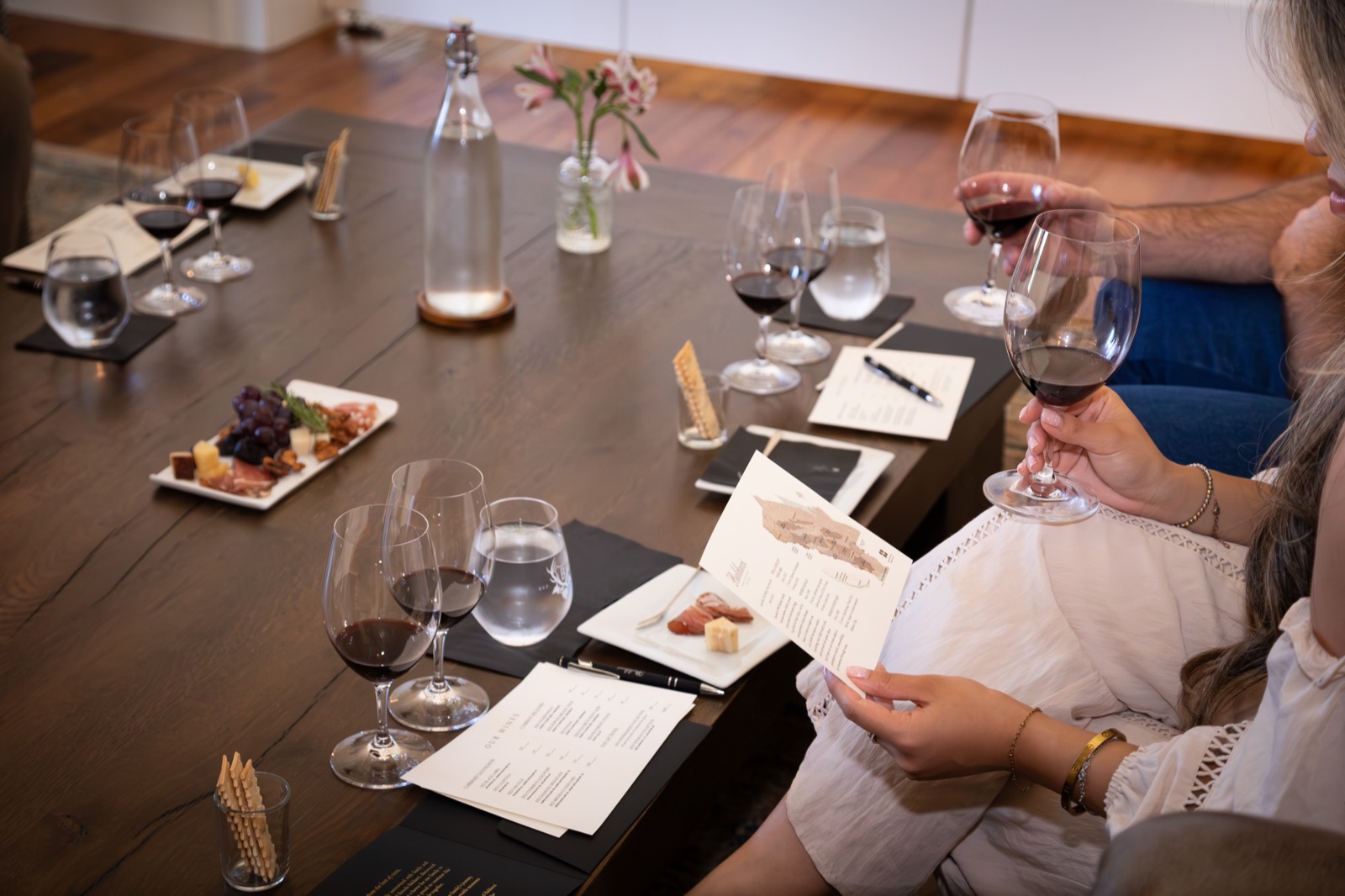
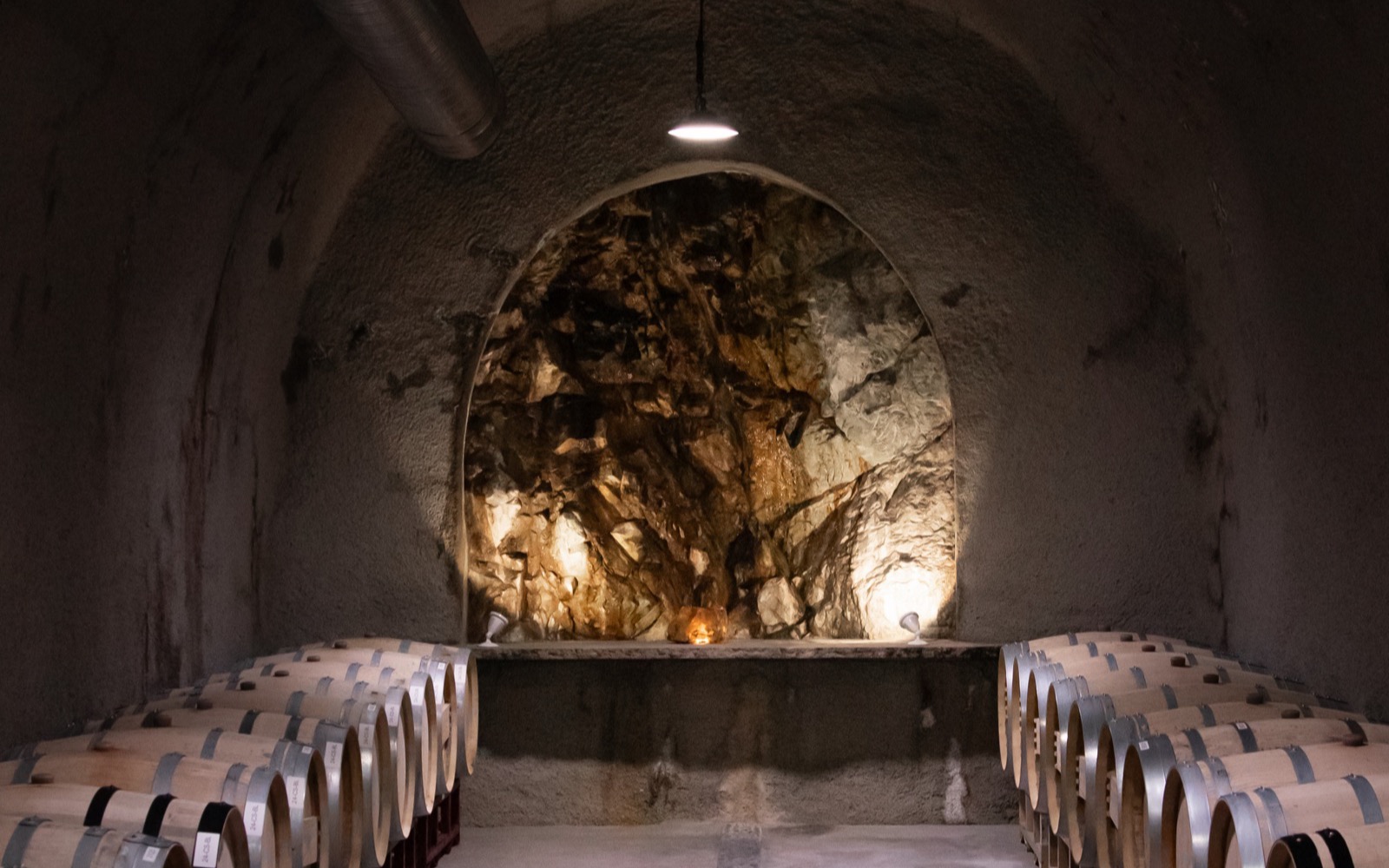
What it is: A family-owned estate on the Silverado Trail in the heart of the Stags Leap District. The Baldacci family has been making wine here for nearly thirty years. We farm organically with a working flock of sheep on the property, produce small-lot estate Cabernet Sauvignon and other Bordeaux varieties, and offer seated tastings, cave experiences, and private visits.
What to expect: A tasting experience built around the story of one family’s relationship with one piece of land in one of Napa’s most distinctive appellations. The wines are made from certified organic estate fruit. You will taste it in the cave if you take the tour. You will almost certainly talk to someone with a real connection to what’s in your glass.
Who it’s for: Baldacci is not the right first stop for someone who wants to start with the biggest names and work their way in. It’s the right stop for someone who already knows Napa wine is worth paying attention to, and is looking for the winery they’ll call their own. We’re family-owned in a valley where most of the famous names are corporate. We’re CCOF-certified organic when that still means something. We’re in the Stags Leap District, the most iconic AVA on the Silverado Trail. And we’re small enough that scarcity is real. Most of what we make goes to our allocation to members first, with a small amount available in our wine shop.
The person who visits Baldacci and connects with what we’re doing tends to become the person who brings a bottle to a dinner party and explains where it came from. That’s who we’re making wine for.
Book your tasting at Baldacci →
What to Take Away From Your First Napa Trip
The worst outcome of a first Napa trip isn’t a bad tasting. It’s a blurred day of six stops that all start to feel the same by mid-afternoon, with nothing specific to remember.
The best outcome is leaving with one or two wineries you feel genuinely connected to, a clearer understanding of what makes Napa Cabernet distinct from Cabernet made anywhere else in the world, and a sense of which part of the valley you want to explore more deeply next time.
First trips are about orientation, not exhaustion. Do two or three stops, give each one real time, eat a proper lunch, and leave with something to say at dinner. If you do that, you’ll be back.
FAQ
What are the best wineries in Napa Valley? The most accurate answer is that it depends on what you’re looking for. For a first trip, the best wineries are the ones that offer a real connection to the people and the place, not just well-branded tasting experiences. This list includes a mix of historically significant estates (Stag’s Leap Wine Cellars), family-owned Stags Leap producers (Regusci, Cliff Lede, Baldacci), a mountain winery (Viader), a Silverado Trail stop built for learning (Mending Wall), and a few smaller, appointment-only finds including a food-and-wine pairing experience in Calistoga (Davis Estate), Crocker and Starr, and William Cole.
What Napa wineries are best for first-time visitors? First-timers benefit most from wineries that have knowledgeable, patient hosts; a clear sense of place and story; and enough range in what they pour to teach you something about the valley. Avoid wineries that feel like theme parks, and refrain from visiting more than three in a day. The wineries on this list were chosen specifically because each one offers something worth learning from.
Which Napa winery should I visit first? If you want to start with history and context, Stag’s Leap Wine Cellars is the logical first stop, especially in 2026 when they’re marking the 50th anniversary of the Paris tasting. If you want to start with a family-owned, personal experience in the Stags Leap District, Regusci or Baldacci are both strong anchors. Match your first stop to where you’re staying and what draws you to wine in the first place.
What are the best small wineries in Napa? Crocker and Starr, William Cole, Regusci, and Baldacci Family Vineyards are all smaller, more personal operations than the marquee Napa names. Each offers something the big estates can’t: the chance of a real conversation, direct access to the people behind the wine, and a tasting experience that isn’t running on a hospitality assembly line.
What are the best family-owned wineries in Napa? Family ownership is getting rarer in Napa, which makes it worth seeking out. On this list, Cliff Lede, Regusci, Davis Estate, Viader, William Cole, and Baldacci Family Vineyards are all family-owned and operated. What you get at a family winery is accountability: the people pouring your wine answer to the people whose name is on the bottle, and often they are the same.
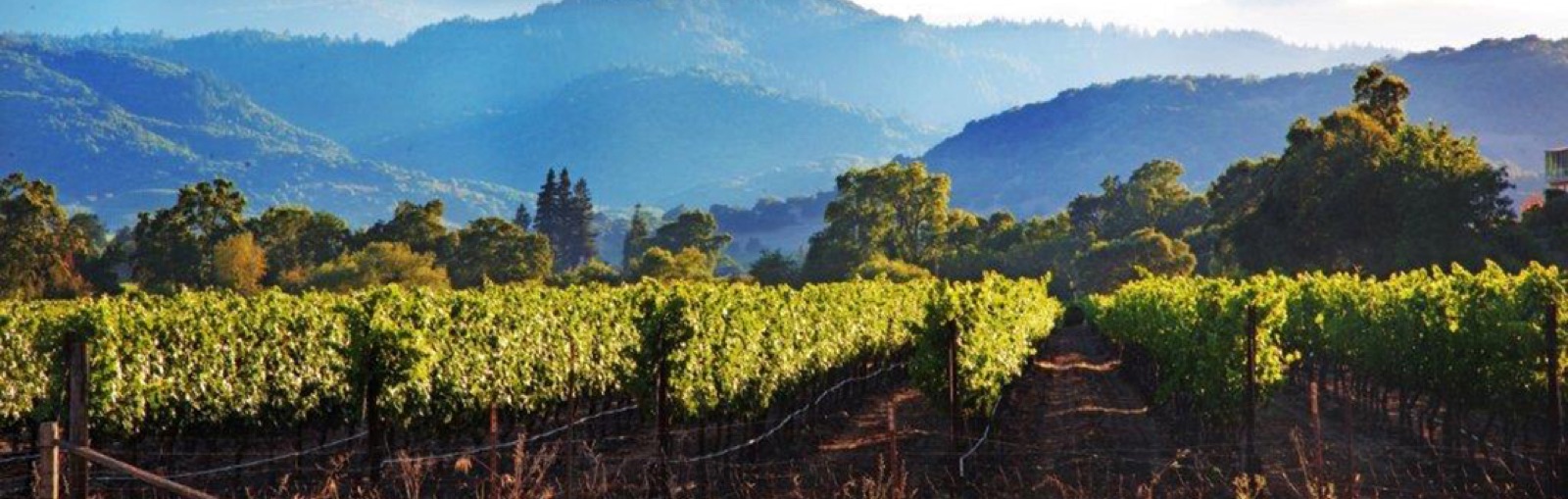
What are the best Napa wineries on the Silverado Trail? The Silverado Trail runs up the eastern side of the valley and is home to a concentration of Stags Leap District producers. Cliff Lede, Stag’s Leap Wine Cellars, Regusci, and Baldacci Family Vineyards are all on or immediately adjacent to the Silverado Trail in the Stags Leap District, and Mending Wall sits farther north on the Trail outside St. Helena. The Trail itself is a better drive than Highway 29 if you want scenery alongside your wine stops.
Are there Napa wineries that are good for beginners who don’t know much about wine? Yes, but a better frame than “beginner” is “someone who wants to learn.” Mending Wall is designed for user-friendliness and is a great starting point. Stag’s Leap Wine Cellars has the historical story that gives any new wine drinker immediate context. And any of the family-owned estates on this list will have hosts who are used to meeting people where they are and building from there. Good hosts make the experience work regardless of your starting knowledge level.
What are the best Napa winery experiences for a first visit? The experiences that stay with people are the ones with a clear point of view: the food-and-wine pairing at Davis Estate, a cave tasting at Baldacci, the mountain drive up to Viader, and the history poured in the glass at Stag’s Leap Wine Cellars. Pick one signature experience per trip and build the rest of the day around it, rather than stacking standard flights back-to-back.
Do I need to book Napa wineries in advance? For most of the wineries on this list, yes. Stag’s Leap Wine Cellars, Cliff Lede, Regusci, Davis Estate, Crocker and Starr, Viader, William Cole, and Baldacci all require or strongly recommend reservations, and Mending Wall is appointment-based as well. Book 2–4 weeks ahead for spring and summer; 6–8 weeks ahead for harvest season.
Michael Baldacci is the winemaker at Baldacci Family Vineyards, Stags Leap District, Napa Valley.