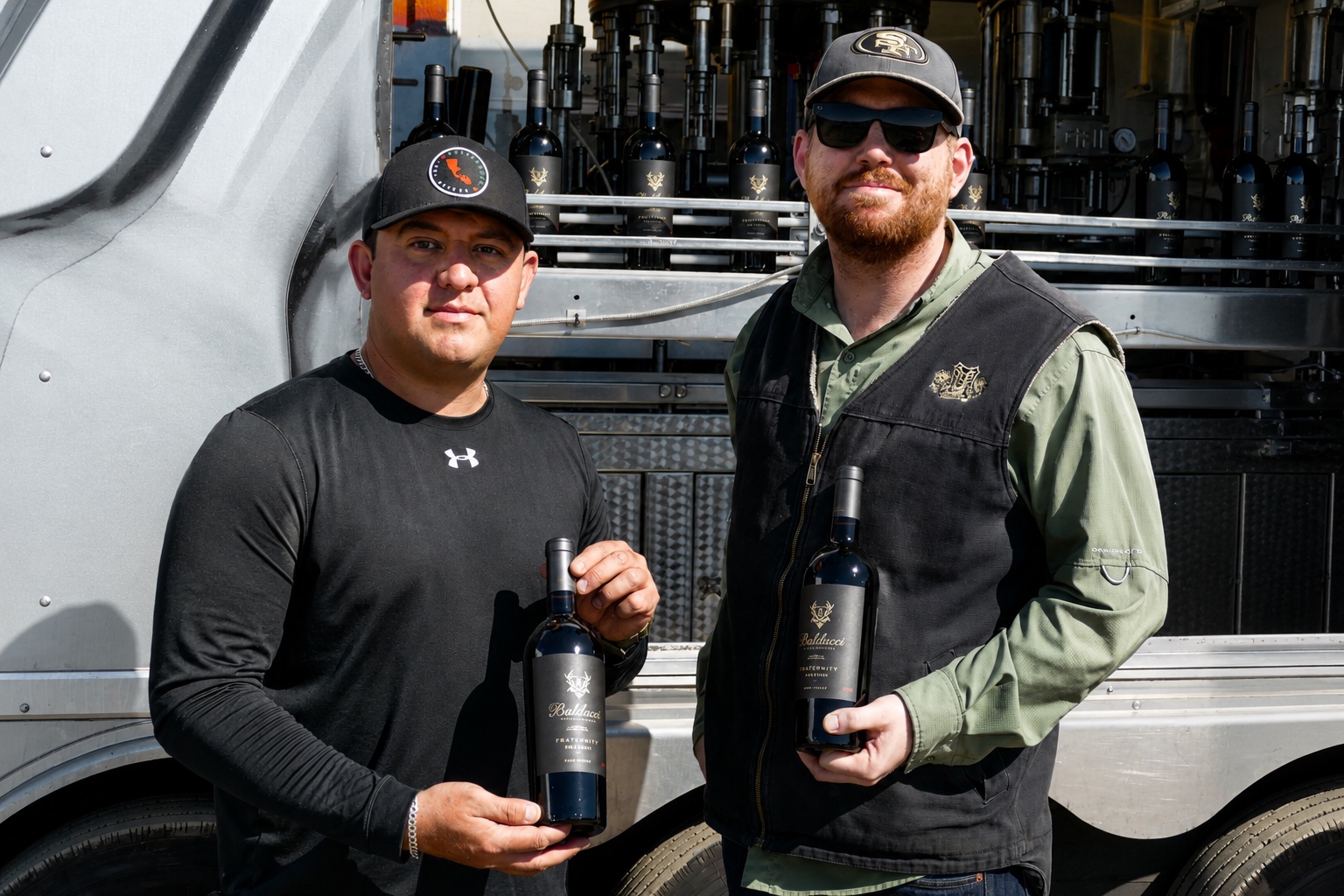
The 2024 Cabernets have been aging in barrel for nearly two years. The blends are completed and the wines are ready. And yet, when the bottling truck pulls up and we connect the hoses, I find myself bracing a little. Bottling day is controlled chaos. A mobile bottling line has a lot of moving parts, and those moving parts find a way of causing trouble.
Something always seems to need fixing: a label that is not feeding right, a temperature fluctuation on the line, or a foil that is not sitting the way it should on a particular bottle. When you are running multiple wines with different bottle formats and different labels in a single day, the complexity adds up fast. We have had plenty of bottlings that go off without a single hiccup, and we have had days where it feels like we are solving a new puzzle every hour. Bottling is the one part of winemaking where you are fully dependent on many things going right all at once, and that can be hard to control.
That being said, our team stays focused on every detail, adapting to whatever the day throws at us to ensure every bottle leaves the line exactly as it should, and there is nothing quite like watching the newest vintage of Cabernets come off that line.
What happens before the truck arrives?
By the time the mobile bottling truck pulls up, the wine has already been transitioning for three to four weeks. The final blends come out of barrel and into tank well before bottling day, which gives us time to make sure everything is exactly right before the wine begins its next chapter in a bottle.
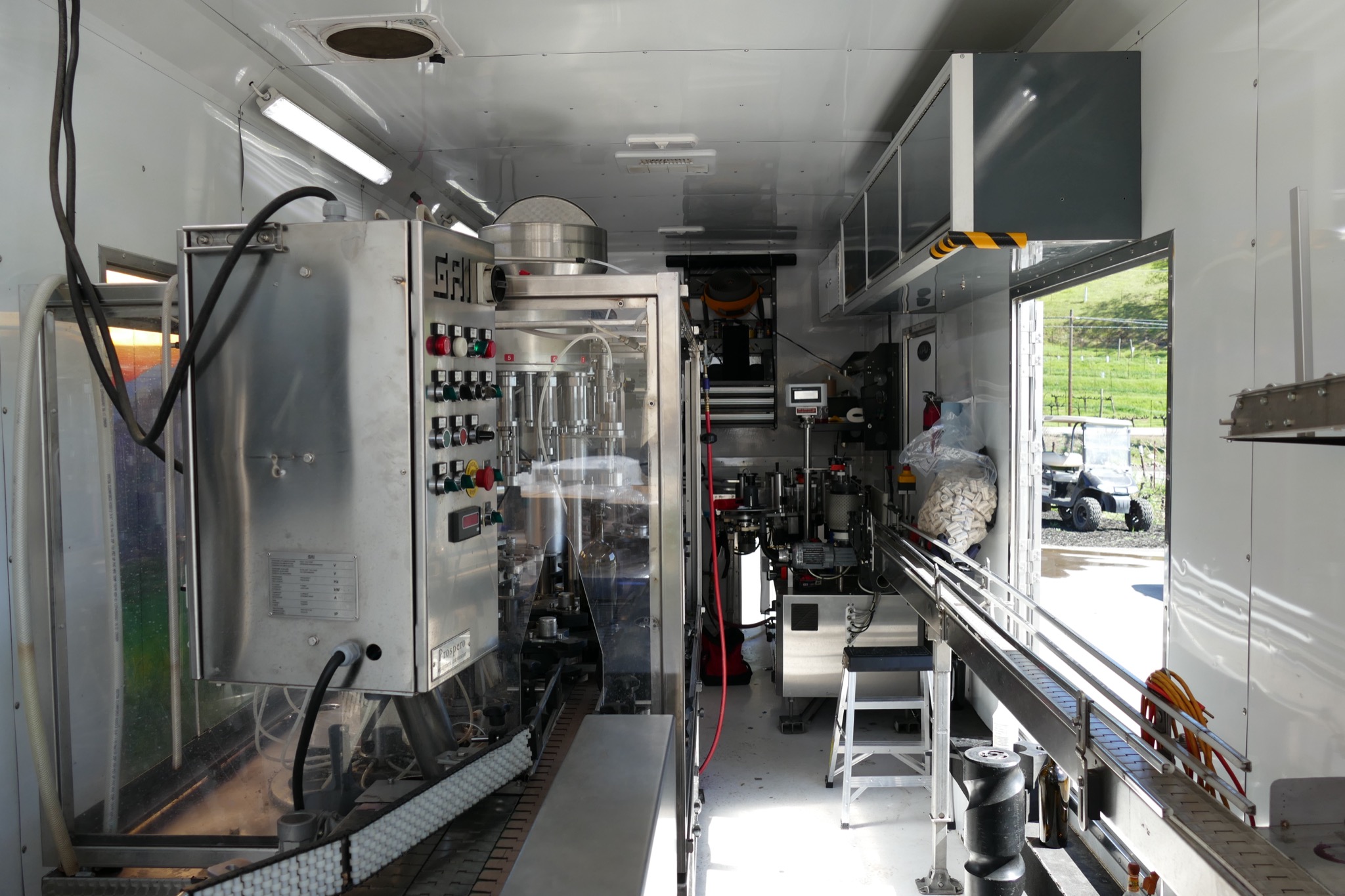
Temperature matters a great deal at this stage, and we make sure the wine is stable before it moves to the bottling line. There are also small adjustments made in the tank to protect the wine during its transition, and to ensure it holds up properly in the bottle over the years to come. This is the careful, deliberate work that makes a real difference in how a wine ages.
Sanitation is another thing we take very seriously at this stage. The bottling truck brings their own line, and we connect our tanks and pumps to it. Before any wine moves, I want to know that their sanitation protocol matches ours. Everything the wine touches from this point forward must be clean. We are not going to nurture a wine through two years in barrel and let something get into the bottle because someone was not thorough enough with the line sanitation. We go over that together before we start, every time.
Estate grown, produced, and bottled
One thing that always surprises people when they visit the winery is that the wine they are tasting was bottled right here on the property. The legal definition of Estate Bottled means that the wine never left the winery premises during production. We are estate grown, estate produced, and estate bottled. All of it happens at our Stags Leap District winery.
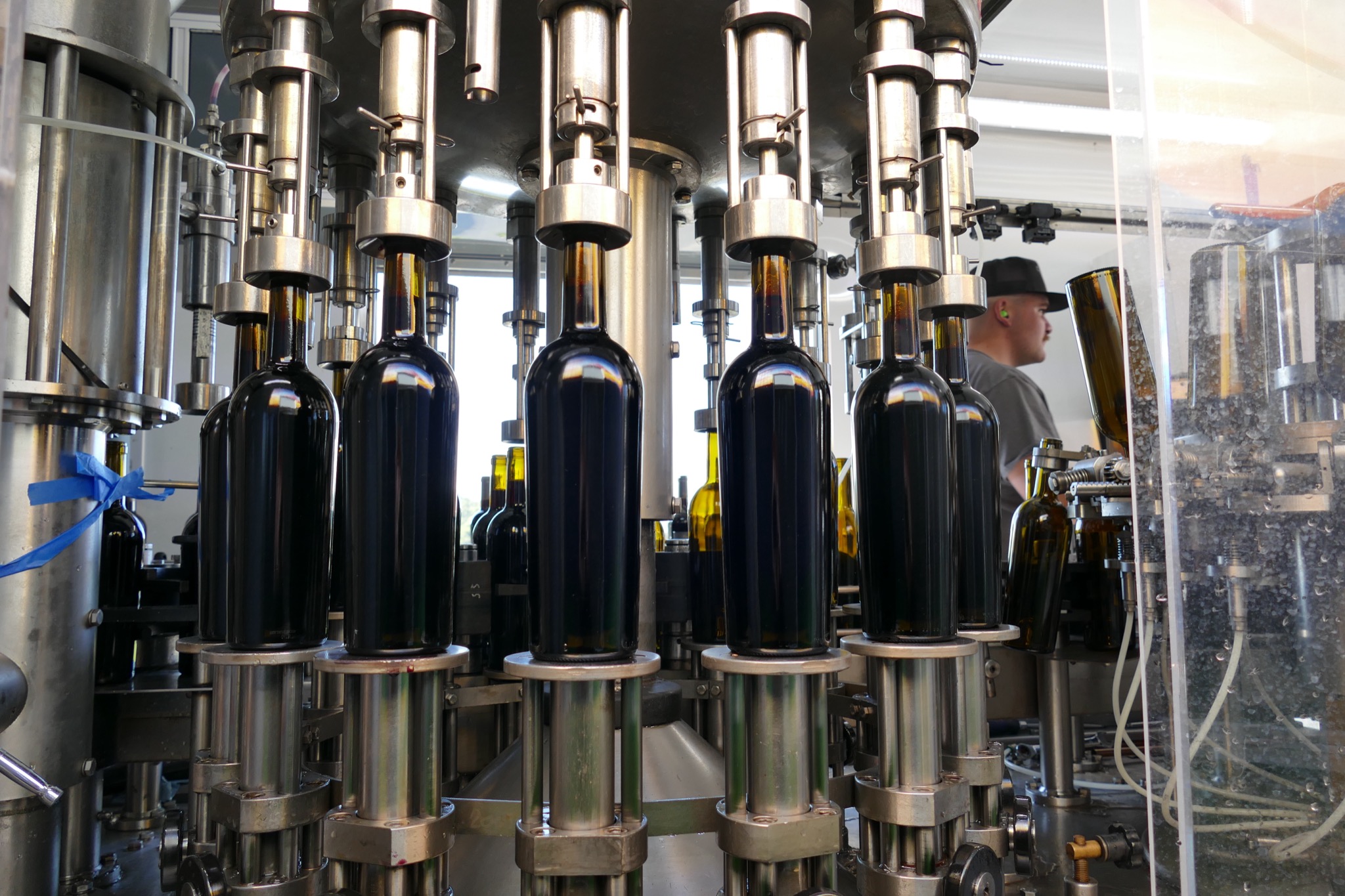
For many wineries, bottling happens at a facility somewhere else. For us, the truck comes to the winery, connects to our tanks, and the wine goes into the bottle without ever leaving the estate. I love that about what we do. The fruit grew here, the wine was made here, and it was sealed into the bottle here. The whole story happens in one place.
When the cork goes in, there is no turning back
The part of bottling that stays with me every year is not the chaos of the line, but the moment after.
When you call a pick date for harvest and the fruit comes off the vine, there is no going back. Bottling operates in the same way. The moment the wine is in the bottle and the cork is sealed, that’s it. There is no more adjusting, no more small tweaks, no more tasting through combinations at the table with Hugo and Jeff. That wine in the bottle is our representation of the 2024 vintage, of Brenda’s Vineyard, of the Stags Leap District, of all the wines that we produce.
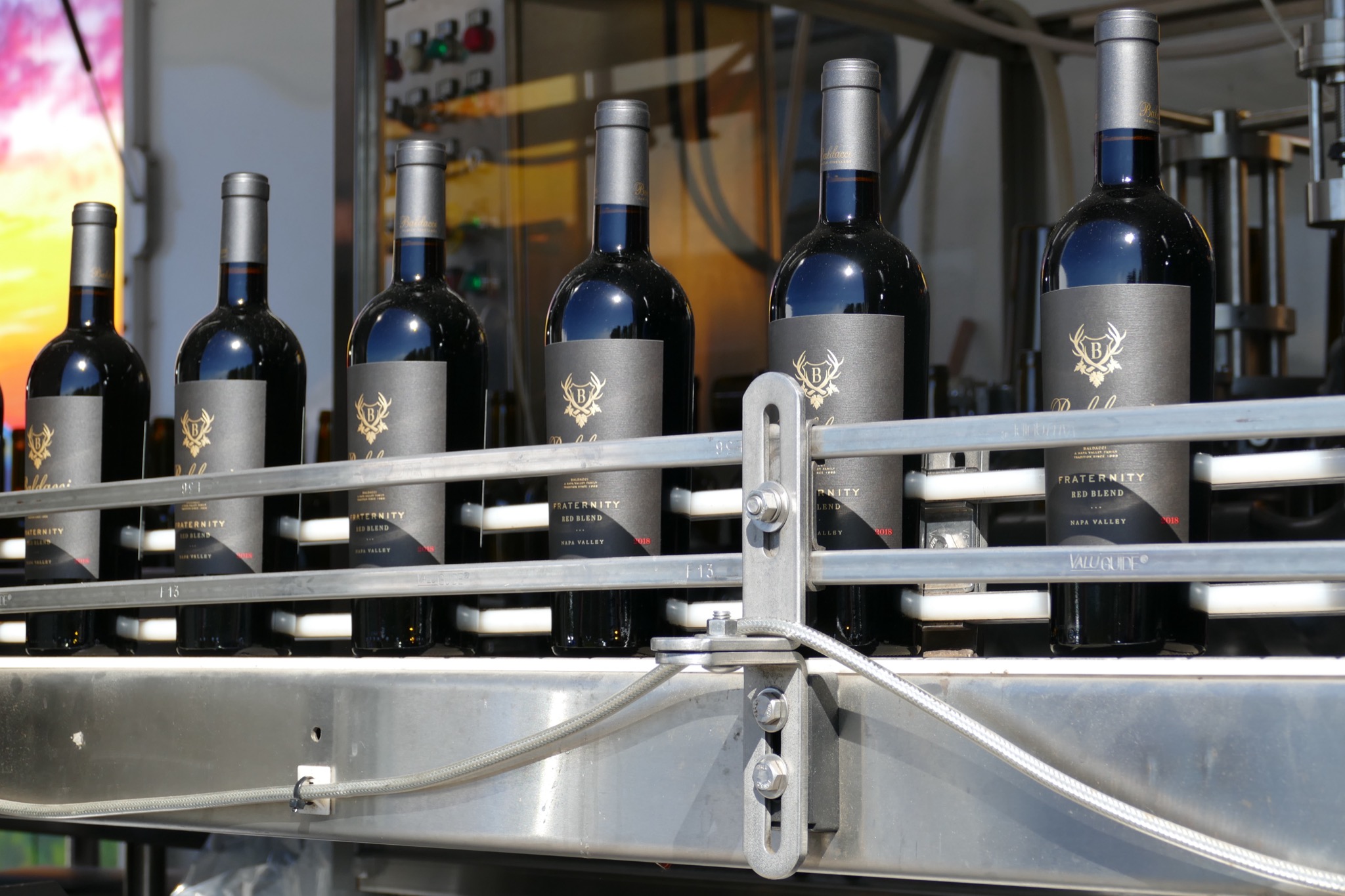
It is both a great feeling and a weighty one. After nearly two years in the cave, the 2024 Cabernets have taken their final form in bottle, and I am incredibly proud of what they have become. But there is always a moment when the last case comes off the bottling line and I think: That’s it; that is the wine. I hope we got it right. And then I remember every choice, every adjustment, and every conversation that shaped the wine, and I know we got it right.
This year, the calendar does not wait
In a normal August, bottling marks a kind of exhale before harvest. You finish one vintage, you take a breath, and then you start preparing for the next. This year, there is no exhale. The 2026 harvest is coming in earlier than normal, and the pressure is already building in the vineyard before we have finished putting the 2024 wines into the bottle.
That overlap is unusual. We are turning the page on the 2024 Cabernets faster than we ever have, and before the last bottle is labeled, we are already out in the vineyard, watching the fruit and thinking about what this current vintage is going to ask of us. The cave that was so quiet through July is about to get very loud.
That is the rhythm of the winery. The 2024 Cabernets are in bottle, the 2026 harvest is upon us, and the wheel keeps turning. I would not have it any other way.
Michael
Next month: harvest. The 2026 vintage begins, and everything we have been watching in the vineyard all summer is about to tell us what it is.