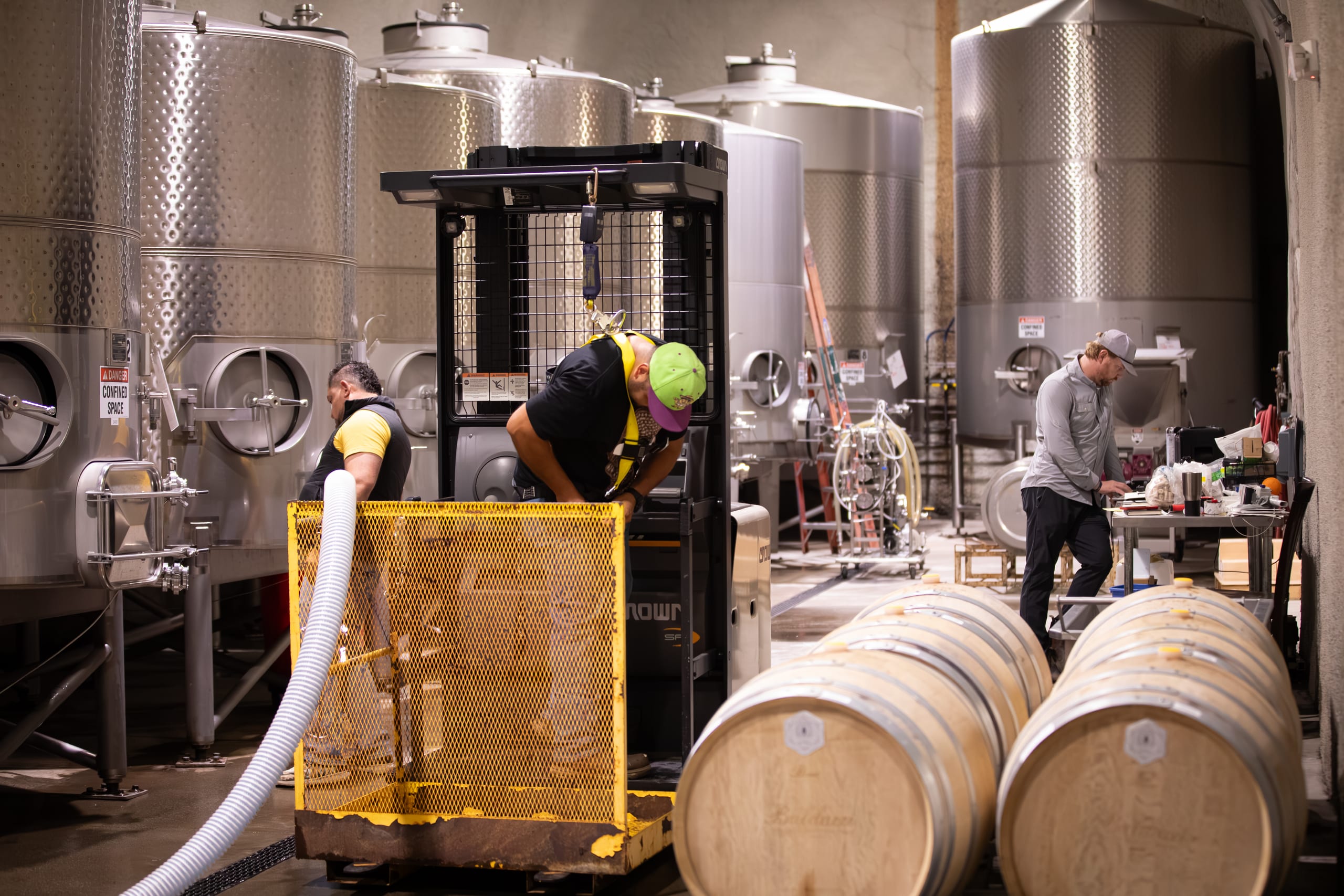
The cellar has changed considerably since my last update. The tanks are empty and clean, the pumps are put away, and every lot of the 2026 vintage is now in barrel in our wine cave.
Looking back, this was one of the smoothest and most enjoyable harvests I’ve experienced. We had excellent fruit coming in, with balanced chemistry and remarkably few complications during fermentation. In most years, at least one fermentation runs too warm, stalls unexpectedly, or requires additional attention. This year, everything progressed beautifully. Harvest is always demanding, but this one was particularly satisfying.
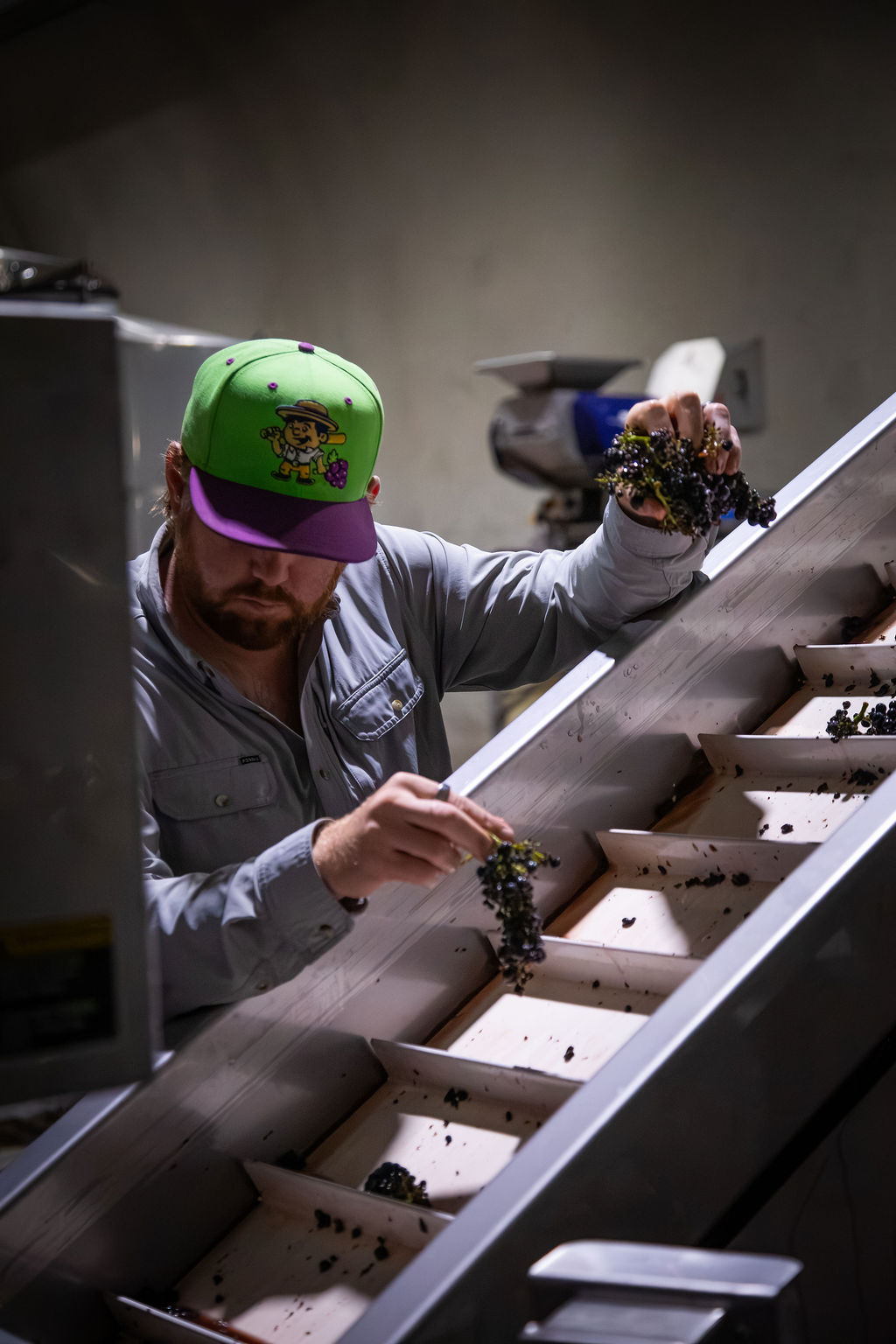
September 18 was our busiest day. We harvested several blocks across our Stags Leap estate, filling nine fermenters by early afternoon. Processing that much fruit while preserving the integrity of each vineyard lot requires careful coordination. Each tank has its own fermentation schedule, and keeping those lots separate is essential to how we make our wines. Our cellar crew handled the day exceptionally well.
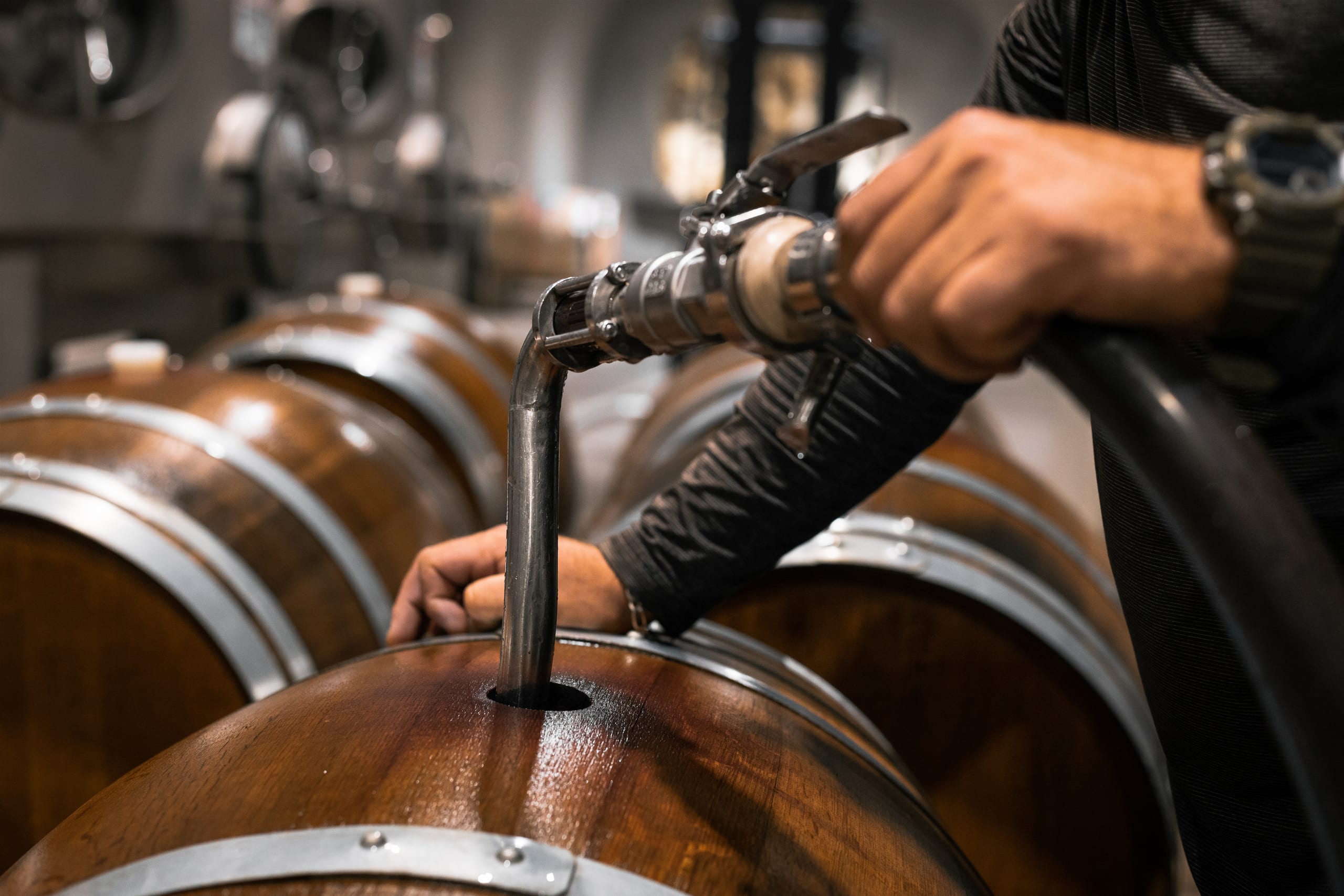
The Pinot Noir from Carneros was among the first wines to be pressed and transferred to barrel. Our Chardonnay, which undergoes its primary fermentation in oak, was already in barrel. The Cabernets followed in late September and October, with each lot pressed and transferred to barrel as it completed fermentation.
The Barrels
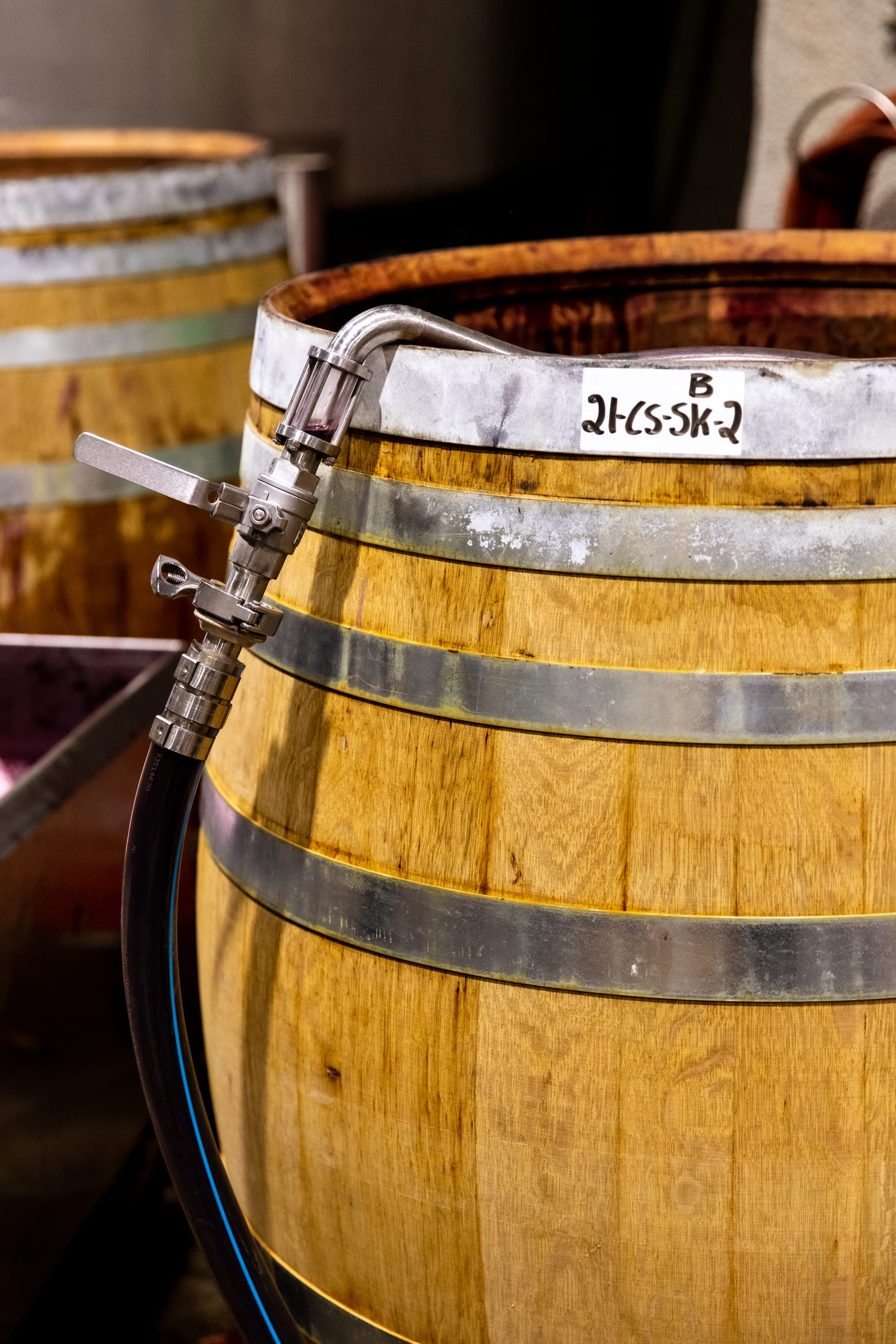
Oak selection is one of the most important decisions we make between fermentation and bottling. The French have a word for this stage of winemaking: élevage. It derives from the same word used for raising children or livestock and describes the care and attention given to a wine as it matures. Over the next year or two, we’ll taste, evaluate, and guide each lot toward its place in our Cabernet portfolio.
This year, about 50% of our purchased French oak barrels are new, though the percentage varies by varietal. Our Chardonnay and Pinot Noir receive a modest proportion of new oak to preserve their delicate fruit characteristics. For Cabernet Sauvignon, we typically use 60–80% new French oak, depending on the vineyard and vintage. The structure and concentration of Stags Leap District Cabernet allow us to incorporate more new oak without overwhelming the wine. The objective is to develop complexity and texture while keeping the vineyard characteristics prominent.
Most of our barrels come from Tonnellerie Ô, a French oak cooperage whose sourcing and craftsmanship I had the opportunity to experience firsthand this past March.
I traveled to France with Quinn, their master cooper, to visit the Gautier family, who own both the forest and the stave mill. This level of control over the raw material is unusual in the cooperage business.
We walked through stands of oak that will be harvested for barrel production in the coming decade and visited the stave yard, where freshly milled oak is stacked outdoors to season naturally for several years. Exposure to rain, sun, and changing temperatures gradually alters the wood’s composition before the staves are shaped, toasted, and assembled into barrels.
Some of the oak I saw seasoning in that yard will eventually hold a Baldacci vintage. Having followed the process from forest to finished barrel gives me a much greater appreciation for the craftsmanship involved and for the influence those barrels will have on our wines.
Evaluating the New Vintage
Our attention now turns to malolactic fermentation and the early development of each lot.
Malolactic fermentation is the biological conversion of tart malic acid into softer lactic acid. It is an important step in developing the texture and stability of our wines before their extended barrel aging.
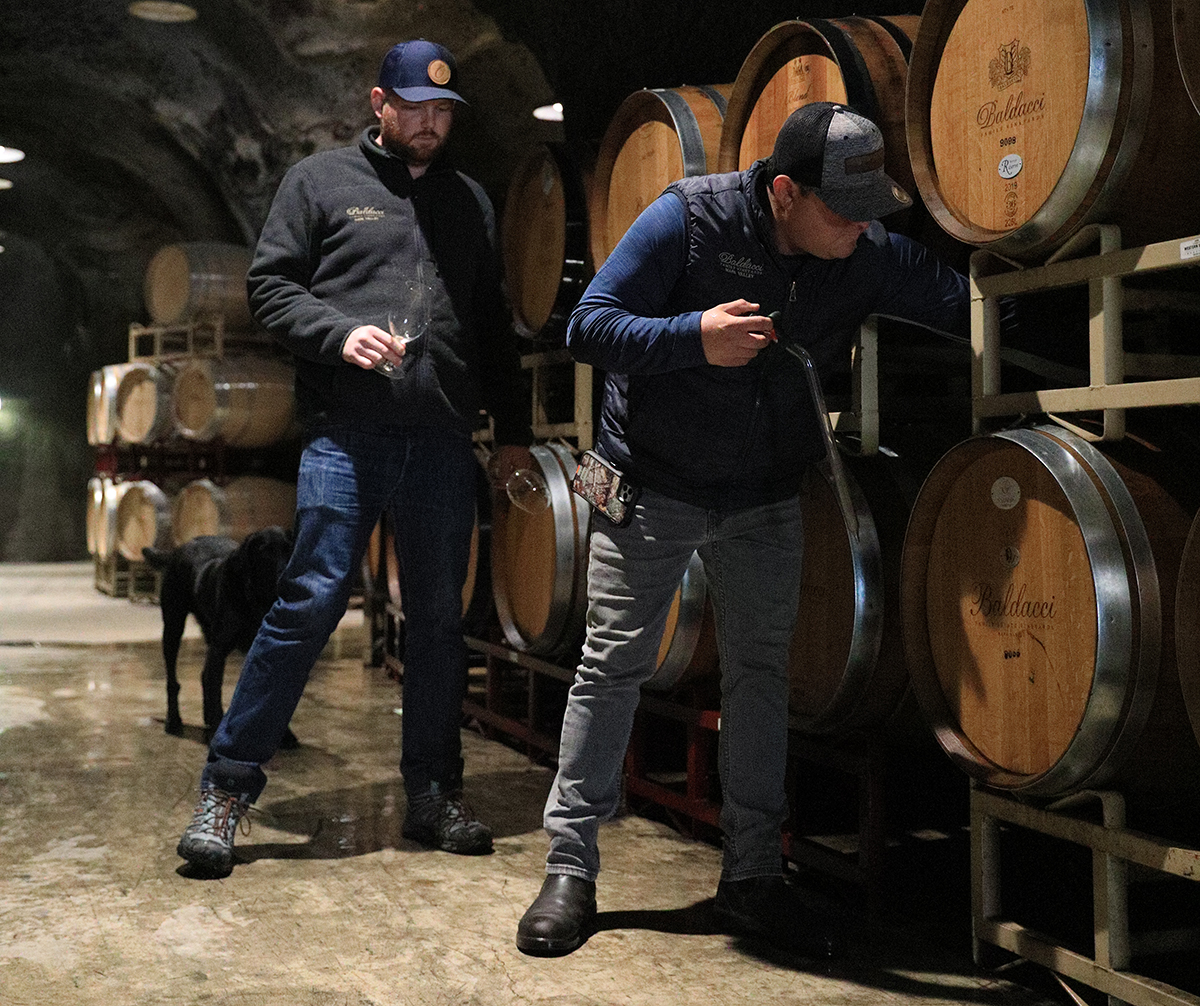
Every seven to ten days, Hugo and I pull samples from each lot to monitor its progress. We taste the wines, evaluate their development, and review the analytical results. Some lots complete malolactic fermentation relatively quickly, while others take considerably longer.
These early tastings also help us understand the characteristics of each vineyard block. Because we ferment and age our wines separately, we can evaluate each component before making blending decisions. A year from now, these tasting notes will guide our selections for wines such as Brenda’s Vineyard Cabernet Sauvignon and Black Label Cabernet Sauvignon.
For those who followed Tank 11 on Instagram during fermentation, our Block 10 Cabernet has now been pressed and transferred to Tonnellerie Ô barrels. We’ll continue to follow its development and share updates as it ages in barrel.
After several months of harvest and fermentation, it’s a pleasure to spend more time tasting and evaluating the wines. The 2026 vintage is off to an excellent start, and I’m looking forward to seeing how the individual lots develop over the coming year.
Michael