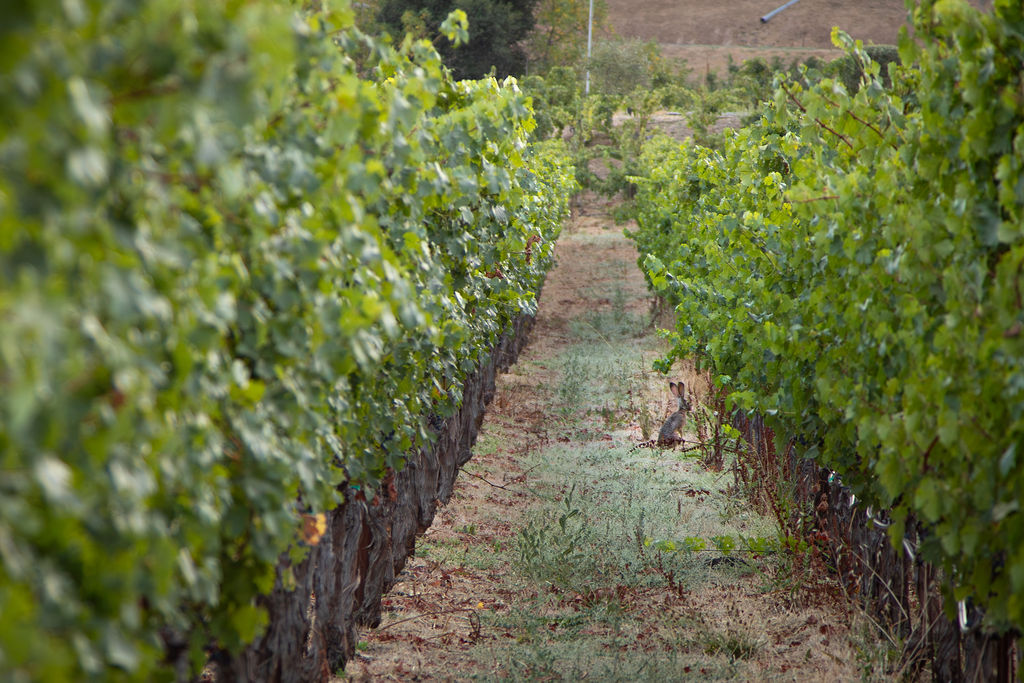
For the past several months, I’ve written to you from the cellar. Starting now, I’m launching a second series from the vineyard. In the Vines will follow the farming calendar, which runs from November through harvest the following fall. This first post begins with the 2027 vineyard season. Each month, I’ll share what we’re doing in the Stags Leap District vineyard and why.
The vineyard year has a rhythm. It starts with the cover crop in the fall, moves through dormancy and pruning in winter, bud break and the growing season in spring and summer, and ends with harvest. Then it begins again. Most people see the vineyard in July, when the canopy is full and the fruit is on the vine. The work that makes that possible starts now, when the vines are shutting down for the year.
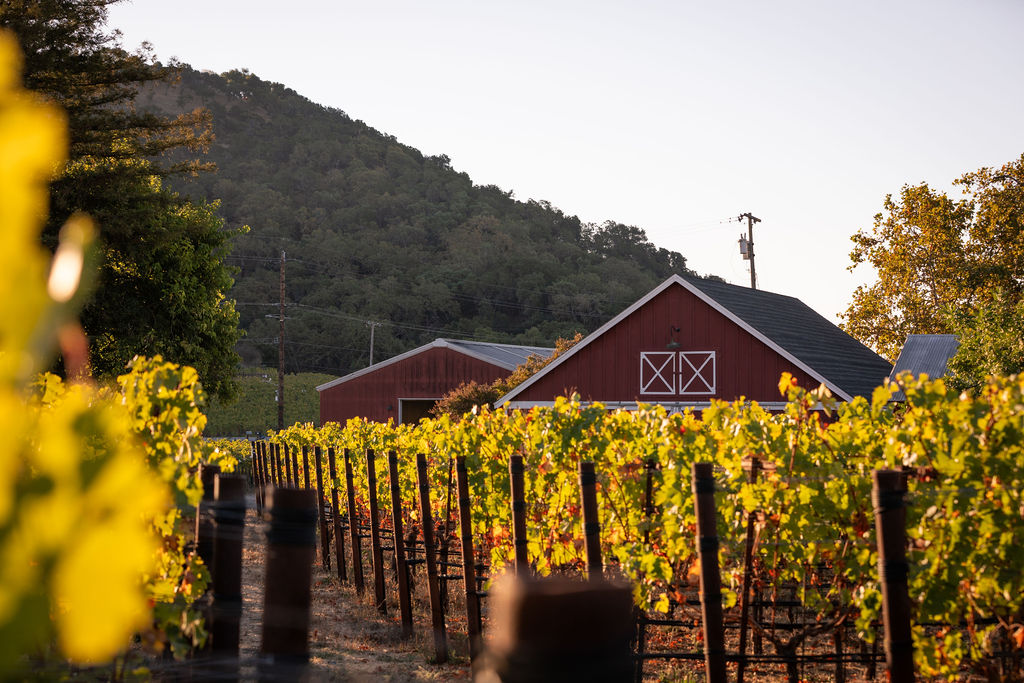
November
We are seeding the cover crop. A cover crop is the mix of plants grown between the vine rows through the winter and spring. Ours is a blend of grains and legumes: Trios 888 triticale, Cayuse oats, Merced rye, bell beans, and Magnus winter peas. We broadcast the seeds across every row and reseed each fall.
We farm no-till, which means we never turn the soil over. It has been three years since a disc went through this vineyard. The cover crop grows, the sheep graze it, and what remains breaks down where it stands. Over time that builds organic matter in the soil, holds the hillside in place through winter rain, and feeds the vines more steadily. I’ll come back to this often, because it shapes most of what we do in the vineyard. For now, the short version is that we are trying to leave this ground better than we found it, and that takes a long view.
Post-harvest irrigation is already done. The vines got a deep drink right after the fruit came off so they can store reserves before going dormant.
What’s ahead
Once the cover crop is established, usually closer to December depending on when the rain comes, the sheep go into the rows. About forty of them live on the property, and Hugo manages them along with the rest of the farm animals. They graze the cover crop, fertilize as they go, and do work we would otherwise do with a tractor.
Compost goes out later in the season. Pruning won’t start until February or March, depending on the weather.
That’s the plan for the next few months. The seed is in the ground, the leaves are turning, and we’re watching the forecast for rain.
Michael
Next month: the sheep go into the rows.