Here’s something worth reframing before we get into tools and gadgets: an open bottle of wine isn’t spoiled. It’s evolved.
Wine that’s been open for a day or two has changed. The edges have softened. Some of the primary fruit has blown off. A big, tannic red that was tight on night one might actually be more approachable on night two. That’s not failure. That’s the wine opening up.
If more people thought about it that way, we’d all be opening more wine and worrying less about finishing it in one sitting.
That said, there is a real window before “evolved” tips into “oxidized and flat,” and knowing what actually extends that window is worth understanding. This isn’t about chasing perfection. It’s about knowing which tools are worth your money, which ones you already have, and which ones the internet has oversold.
Wine Preservation Methods Compared
Here is the whole article in one table. The details, and the reasoning, follow below.
| Method | Typical cost | Realistic drinkable window |
|---|---|---|
| Refrigeration + re-cork | Free | 3-5 days |
| Vacuum stopper + fridge | $10-20 | 4-6 days |
| Argon spray + fridge | $15-25 per can | 5-7 days |
| Transfer to a half-bottle + fridge | Free | Several days |
| Coravin | $250 and up | Weeks to months |
| Freezing | Free | Cooking only, not drinking |
What Oxidation Actually Does to Wine
When wine is exposed to air, oxygen begins reacting with the compounds that give it structure, aroma, and flavor. Ethanol converts to acetaldehyde, which creates a flat, bruised-fruit quality. Tannins break down. The bright acidity that made the wine lively starts to dull.
The speed of that process depends on a few things: the wine’s natural antioxidants (tannin and acidity both help), how full the bottle is (less wine means more air in the bottle), and temperature. A full bottle with high tannin kept cold will outlast a half-empty, low-acid white sitting on the counter by days.
None of the preservation methods below stop oxidation entirely. They slow it down. Knowing how much each one slows it down is the honest answer this post is trying to give you.
The Most Underused Wine Preservation Tool: Your Refrigerator
Refrigeration is the most effective free wine preservation method there is: it slows oxidation to a fraction of the countertop rate, for reds as well as whites. Start here before you spend money on anything else.
Cold temperature slows oxidation significantly. Wine stored at refrigerator temperature (around 38-40°F) oxidizes at a fraction of the rate of wine sitting on a 70°F countertop. This applies to red wine too, which is where most people get it wrong: they assume red wine shouldn’t go in the fridge after opening. It should.
Yes, you’ll want to pull the red out 20-30 minutes before you pour so it comes back up toward serving temperature. That’s a minor inconvenience. What you get in exchange is a wine that’s still genuinely good the next day, and often the day after that.
For a bottle you’re going to finish within one to two days, refrigeration alone is the right answer. It’s cost-free, it works, and it doesn’t require any equipment. Re-cork the bottle, stick it in the fridge, and stop worrying about it.
The refrigerator won’t extend a bottle’s life indefinitely. But for the vast majority of situations, like someone who opens a bottle with dinner and wants another glass the following evening, it does exactly what you need.
Cold storage is the same principle we build the winery around: the caves at Baldacci hold wine in the mid-50s year round, which you can feel the moment you walk into a cave tasting.
Vacuum Stoppers: Do They Actually Work?
The short answer: yes, modestly. A vacuum stopper plus refrigeration keeps most wines drinkable for 4-6 days, but it will not work miracles on its own.
Vacuum wine stoppers (the hand-pump style that removes air from the bottle before sealing it) are widely sold and reasonably priced. The concept is sound: less oxygen in the bottle means slower oxidation.
The honest assessment: they help, but not as dramatically as the marketing suggests. A vacuum pump removes some of the oxygen, but not all of it, and the seal isn’t perfect over time. For a bottle you’ll finish within a day or two, a vacuum stopper plus refrigeration works well. For anything longer, the results get inconsistent.
Where vacuum stoppers do genuinely earn their place: they’re inexpensive, easy to use, and better than just recorking with the original cork. If you’re already refrigerating the bottle, adding a vacuum stopper is a reasonable upgrade for a few dollars.
What they won’t do is turn a three-day-old bottle back into a fresh one. The oxygen that was already in the bottle when you opened it has already started working.
Practical window with vacuum stopper plus refrigeration: 4-6 days for most wines, with quality declining gradually.
Argon and Inert Gas Sprays
Argon sprays are the step up from vacuum stoppers: used with refrigeration, they keep most wines drinkable for 5-7 days and hold the primary aromas better.
Inert gas preservation works differently from vacuum systems. Instead of removing oxygen, you displace it by spraying a heavier-than-air inert gas (typically argon) into the bottle before resealing. The gas settles on top of the wine and creates a barrier that oxygen can’t easily penetrate.
This approach works better than vacuum removal, because it addresses the root cause more directly. Argon doesn’t react with wine compounds at all, and when applied properly, it buys meaningful additional time.
The tradeoff is cost. A can of preservation spray runs $15-25 and provides a limited number of uses. For a casual wine drinker finishing bottles over a day or two, this is more than the problem requires. For someone with a half-finished bottle of something worth protecting, like a special occasion wine or a bottle you want to return to over a week, inert gas is a worthwhile tool.
Practical window with argon spray plus refrigeration: 5-7 days for most wines, with better maintenance of primary aromas than vacuum methods.
Coravin: Who It’s Actually For
Is Coravin worth it? For a specific kind of drinker, yes, and at $250 and up it pays to know whether that’s you.
Coravin is a different category of tool entirely. Rather than removing oxygen or displacing it after opening, Coravin uses a needle that passes through the cork to extract wine without ever opening the bottle. Argon replaces the wine you pour, the needle is removed, and the cork reseals. The bottle is never technically opened.
The result is a bottle that can be accessed repeatedly over months without oxidizing. It’s the most effective wine preservation system available for home use, and it genuinely works as advertised.
It’s also $250 and up.
The question isn’t whether it works. It’s whether it’s the right tool for how you actually drink wine.
For most home wine drinkers finishing bottles in a few days, Coravin is more tool than the situation calls for. It solves a different problem: the problem of wanting one or two glasses from a bottle without committing to opening it. That’s a real situation, and for that use case specifically, particularly for expensive bottles you want to access slowly, Coravin earns its price.
Where Coravin is genuinely underutilized is in restaurants and wine bars. The ability to pour a single glass from a bottle that would otherwise need to be finished by the end of service opens up a wine list in ways that aren’t possible otherwise. Wines that are too expensive or too limited to sell by the glass become accessible. That’s the use case where the economics make the most sense.
For the home drinker: if you have a serious collection and regularly want single glasses from bottles you’re not ready to commit to opening, Coravin is worth it. If you’re opening a bottle to share with dinner and finishing it within a couple of days, the fridge and a vacuum stopper will serve you fine.
Transferring to a Smaller Bottle
One of the simplest and most overlooked methods: if you have a half-empty 750ml bottle, transfer the remaining wine into a smaller bottle (a 375ml half-bottle works well) to reduce the headspace above the wine.
Less air in the bottle means slower oxidation. This works on the same principle as the inert gas systems, but uses no gas. Just physics. It costs nothing if you have a suitable bottle, and it’s particularly effective combined with refrigeration.
The limitation is convenience. You need to have an appropriate smaller bottle on hand, and decanting back and forth adds a step. But for a wine you want to protect for several days without buying additional equipment, it’s a genuinely effective option.
Can You Freeze Wine to Preserve It?
No. Freezing damages the wine.
The water in wine expands when frozen, which can push the cork and introduce air. More importantly, freezing affects the compounds that give wine its character. The texture and aromatic complexity don’t come back the same way after a freeze-thaw cycle.
If you have leftover wine and the only plan for it is cooking (a deglazing liquid, a braise, a sauce), freezing is fine. Wine used for cooking doesn’t need to taste perfect; it needs to add acidity and depth, and frozen-then-thawed wine can still do that. Ice cube trays work well for this.
For drinking, don’t freeze it. The result isn’t worth the effort, and you’ve lost the thing that made the wine worth saving in the first place.
How Long Does Wine Actually Last After Opening?
This is the question people most want a straight answer on, so here it is, with honest ranges rather than optimistic marketing:
Red wine (with cork or stopper, refrigerated): 3-5 days. High-tannin reds like Cabernet Sauvignon hold up better than lighter reds like Pinot Noir.
White and rosé wine (refrigerated): 3-5 days. Crisp, high-acid whites like Sauvignon Blanc hold up reasonably well; fuller, oaked whites decline faster.
Sparkling wine (with a sparkling wine stopper, refrigerated): 1-3 days. The bubbles go first. A sparkling wine stopper that clamps onto the bottle helps maintain pressure longer than a standard cork.
With vacuum stopper plus refrigeration: 4-6 days for most wines.
With argon spray plus refrigeration: 5-7 days for most wines.
With Coravin: weeks to months, depending on the wine.
One honest note: these are ranges, not guarantees. A half-full bottle oxidizes faster than a nearly full one. A warm kitchen shortens every timeline. A cool, dark fridge extends it. Use these as starting points and trust what’s in the glass.
A Quick Buying Guide
If you open 1-2 bottles a week and finish them within a few days, you need exactly two things: a good stopper and the space to put the bottle in your fridge. That’s it. The fridge does the heavy lifting.
If you regularly have bottles you want to preserve for 5-7 days, an argon spray canister is a reasonable addition. Use it alongside refrigeration, not instead of it.
If you drink expensive wines and want single glasses from bottles you’re not ready to commit to opening, Coravin solves that problem better than anything else on the market. But know what you’re buying it for.
Skip any product that promises to keep wine “fresh for weeks” with a standard stopper. The chemistry doesn’t support it.
FAQ
How do you preserve an open bottle of wine? The most effective combination for most people is a wine stopper and refrigeration. Re-cork the bottle tightly, put it in the fridge, and plan to finish it within 3-5 days. Cold temperature slows oxidation significantly for both reds and whites.
How do you keep wine fresh after opening? Cold and a tight seal. Re-cork or stopper the bottle and put it in the refrigerator, reds included. That alone keeps most wines drinkable for 3-5 days. If you want a few more days, add an argon spray before you seal it. Skip the freezer unless the wine is headed for a cooking pot.
What is the best wine preservation system? Coravin is technically the most effective, using a needle-through-cork system that never exposes the wine to oxygen. For most home drinkers, though, argon spray plus refrigeration offers the best balance of performance and cost. The right answer depends on how you drink wine and how long you need to extend a bottle.
How long does wine last after opening? Most wines last 3-5 days after opening when stored with a stopper in the refrigerator. High-tannin reds like Cabernet Sauvignon tend to hold up toward the longer end of that range. Sparkling wines lose their bubbles fastest, usually within 1-3 days even with a sparkling stopper.
Does the vacuum stopper actually work? It helps, but moderately. A vacuum pump removes some oxygen before sealing the bottle, which slows oxidation. Combined with refrigeration, it can extend a wine’s drinkable window by a day or two compared to just recorking. It won’t dramatically change the outcome on its own, and it works best when the bottle is still fairly full.
Is Coravin worth it? It depends on how you use it. For someone who wants to pour a single glass from a bottle without committing to opening it, or for restaurant programs that want to serve high-end wines by the glass, Coravin is worth the investment. For someone finishing bottles in a few days, it’s more tool than the situation requires.
Can you freeze wine to save it? For drinking, no. Freezing damages the structure of wine in ways that don’t fully recover after thawing. If the wine is destined for cooking, freezing works fine. But if you want to drink it, the fridge is a much better option.
What’s the best way to preserve sparkling wine after opening? Use a sparkling wine stopper that clamps onto the bottle to maintain pressure, and refrigerate it immediately. Even with the best stopper, plan to finish it within 1-3 days. The bubbles degrade faster than anything else in the bottle.
Does red wine need to go in the fridge after opening? Yes. This is the most common mistake in home wine preservation. Red wine stored at room temperature after opening oxidizes significantly faster than refrigerated wine. Pull it out 20-30 minutes before you want to drink it to bring it back to serving temperature.
Try It With a Baldacci Cab
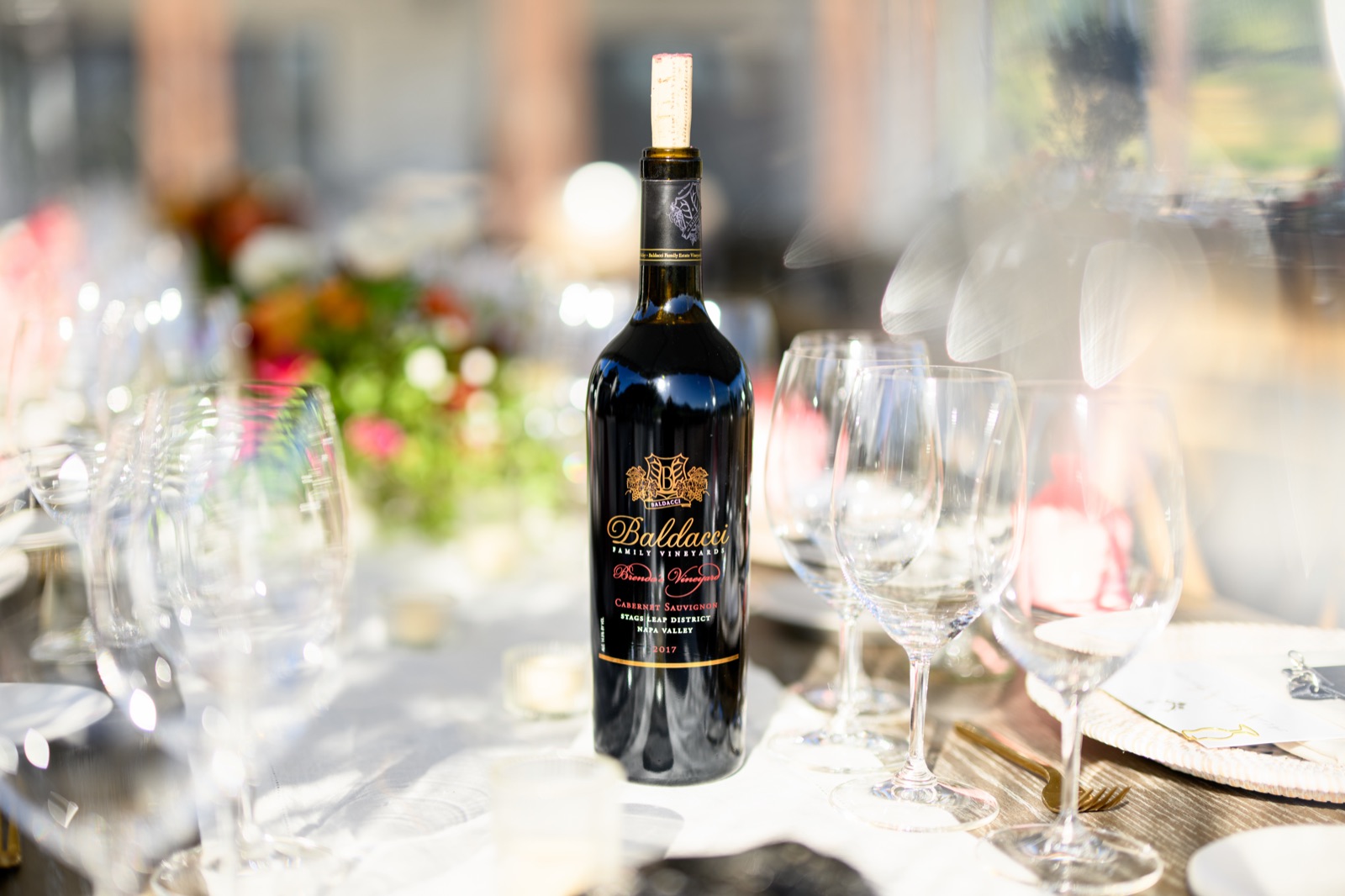
There’s no better way to test these methods than with a wine worth preserving. Pour a glass on night one, recork it, refrigerate it, and try it again the following evening. You’ll notice it’s changed. Often opened up, sometimes softer than the night before.
That’s not a flaw. That’s the wine showing you something.
If you want to get more deliberate about tasting that evolution, our guide to wine tasting in Napa covers how to taste with intention. Better yet, taste the difference where the wine is made: plan a visit to the winery. And if open bottles are a regular event at your house, our wine allocation program keeps the cellar stocked with Cabernets that reward this kind of patience.
Explore our Cabernet Sauvignon collection →
Michael Baldacci is the winemaker and co-owner of Baldacci Family Vineyards, Stags Leap District, Napa Valley.