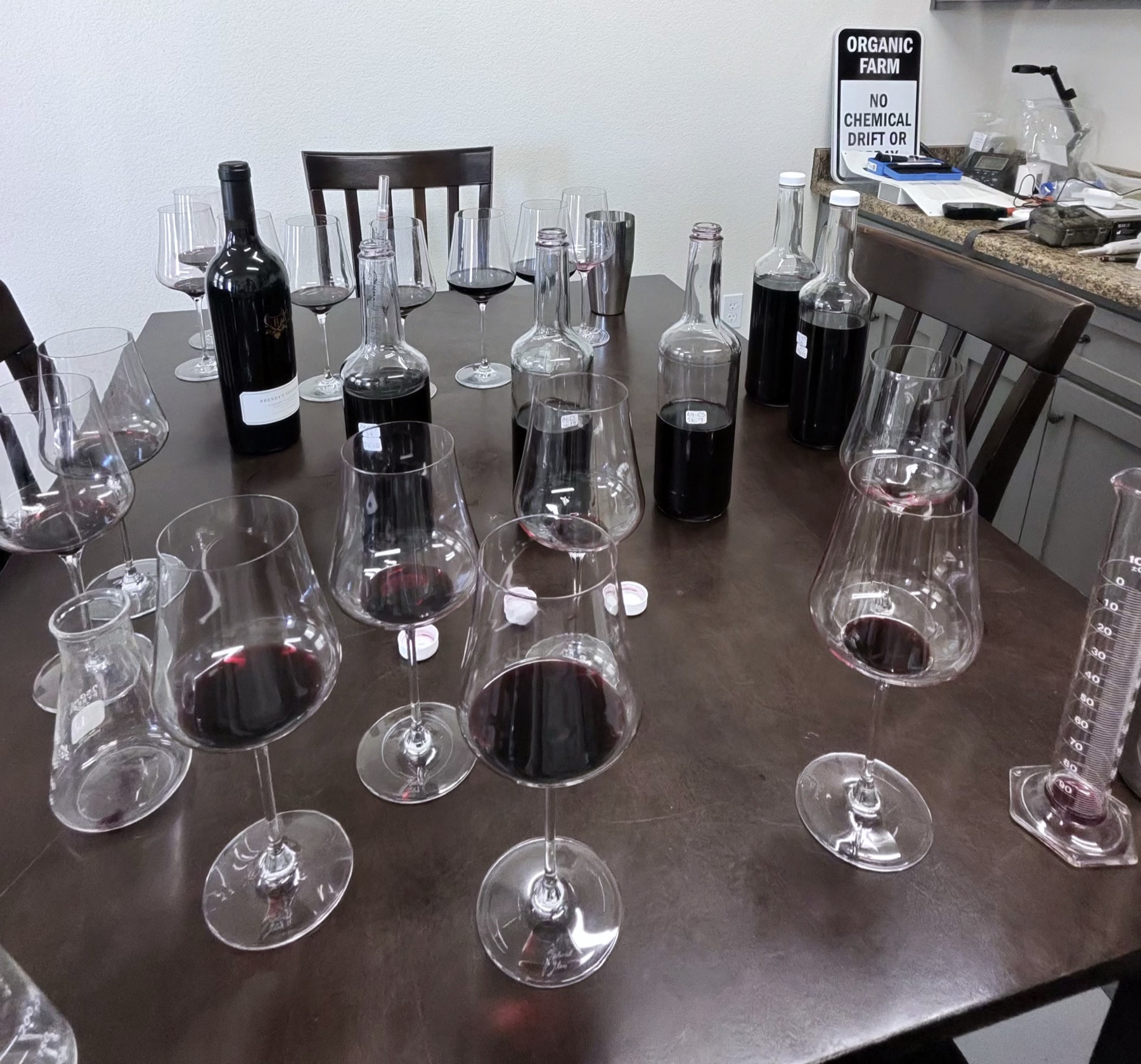
By the time July arrives, we have been blending since not long after harvest. The individual vineyard lots have been evaluated and gradually combined over months of tasting. So the 2024 Cabernets are not raw material at this point. They are nearly finished wines. Because July is the final round of small adjustments before the wine hits the bottling line in August, we are making nudges rather than overhauls. Sometimes it is just a percentage point here, a slight shift there, but these tiny adjustments allow us to ensure the wine is expressing itself with as much clarity, balance, and precision as possible before it is captured in bottle.
I want to walk you through what this actually looks like, because I think the end of the blending process is one of the least visible parts of what winemakers do. Because the big decisions about which blocks and which lots happened earlier in the year, what happens in July is quieter. You are not building anymore. You are editing, and editing requires a different kind of attention.
What the work looks like now
By this point in the year, I know these wines well. I have tasted every lot dozens of times. I know which blocks are carrying the structure, which ones are bringing the fruit, where the mid-palate density is coming from. The blend we have been working toward all year has a shape. What makes July so special is the refinement that shapes the wine until it is exactly right.
The tweaks that I am running now are small. Where earlier in the year I might have been asking whether a lot belongs in the blend at all, now I am asking whether it should be at eleven percent or thirteen. That sounds like a minor question, but in the glass, those small percentage shifts matter a lot. A two percent shift in one component can move the whole center of gravity of the wine, make it feel slightly more generous or slightly more structured, and change where the fruit is sitting on the palate. This granular detail helps craft the finest expression of the wine possible.
What I am tasting for is a wine where all the pieces no longer feel like pieces. I want the block from the upper part of the estate and the block from the lower part to not sit as two components next to each other in the glass. I want them to come together as one cohesive palate. When I can no longer pick them apart in the glass, that is when I know the wine is ready.
What 2024 is telling me
The 2024 vintage is doing what I hoped it would. I wrote last month about why I love this year: the structured tannins, the concentration, the timing of the heat. Walking the cave now and tasting through the final Cabernets, the vintage is delivering on that promise. These are wines with real architecture, and I can taste how they are going to develop over the next decade.
The 2024 vintage allowed me to finalize the wines with precision. It was a great vintage, and there was nothing in it that needed to be hidden or worked around.
That distinction matters more than it might sound. A great vintage makes it tempting to keep pushing, more of the most intense lot, more of the most concentrated block. But intensity is not the same as expression. The biggest version of the wine is not always the best one. What I am looking for is the most complete version of the wine, one where clarity, balance, and precision come together in a refined palate that expresses character and nuance over boldness and intensity.
The table
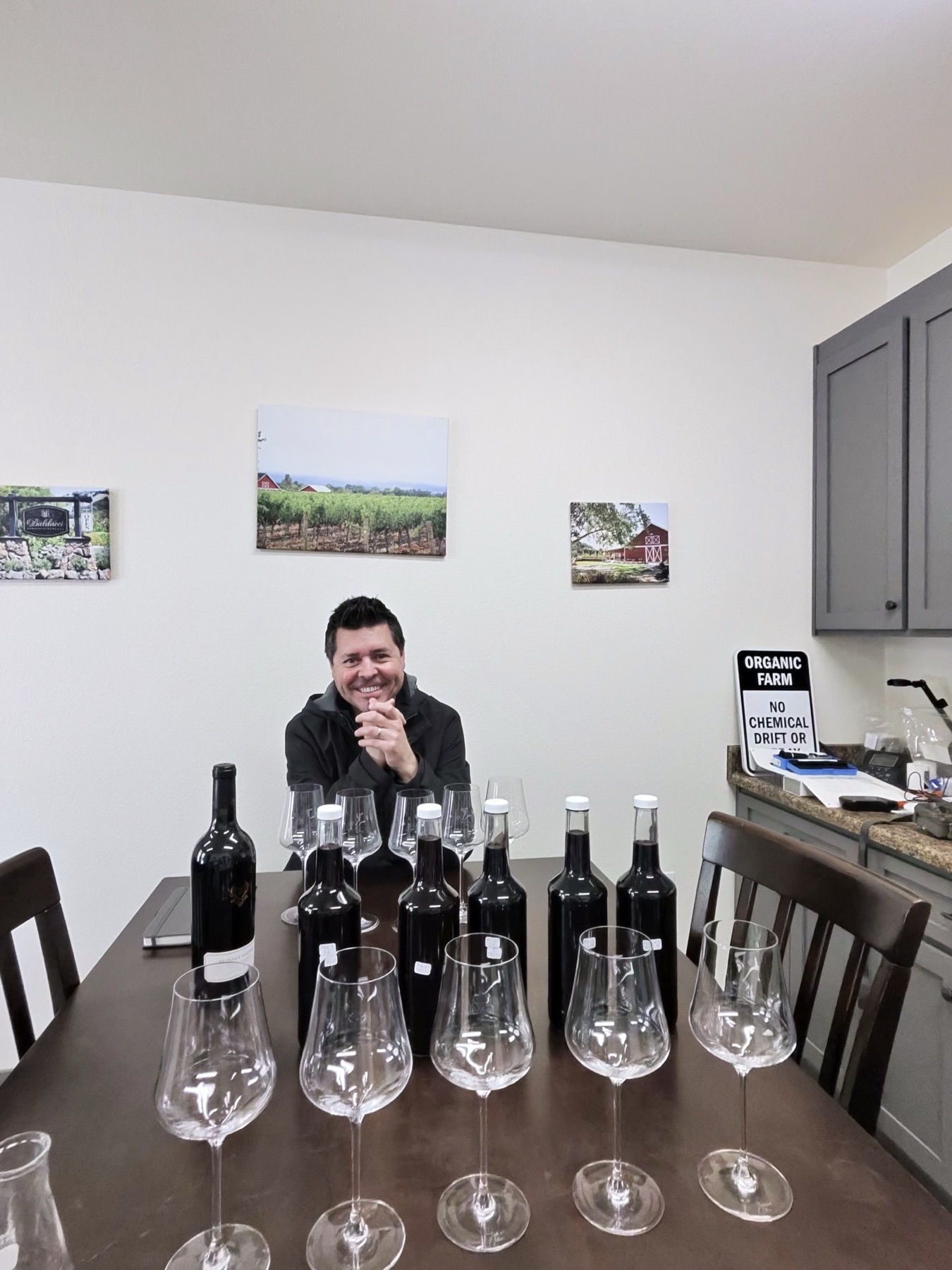
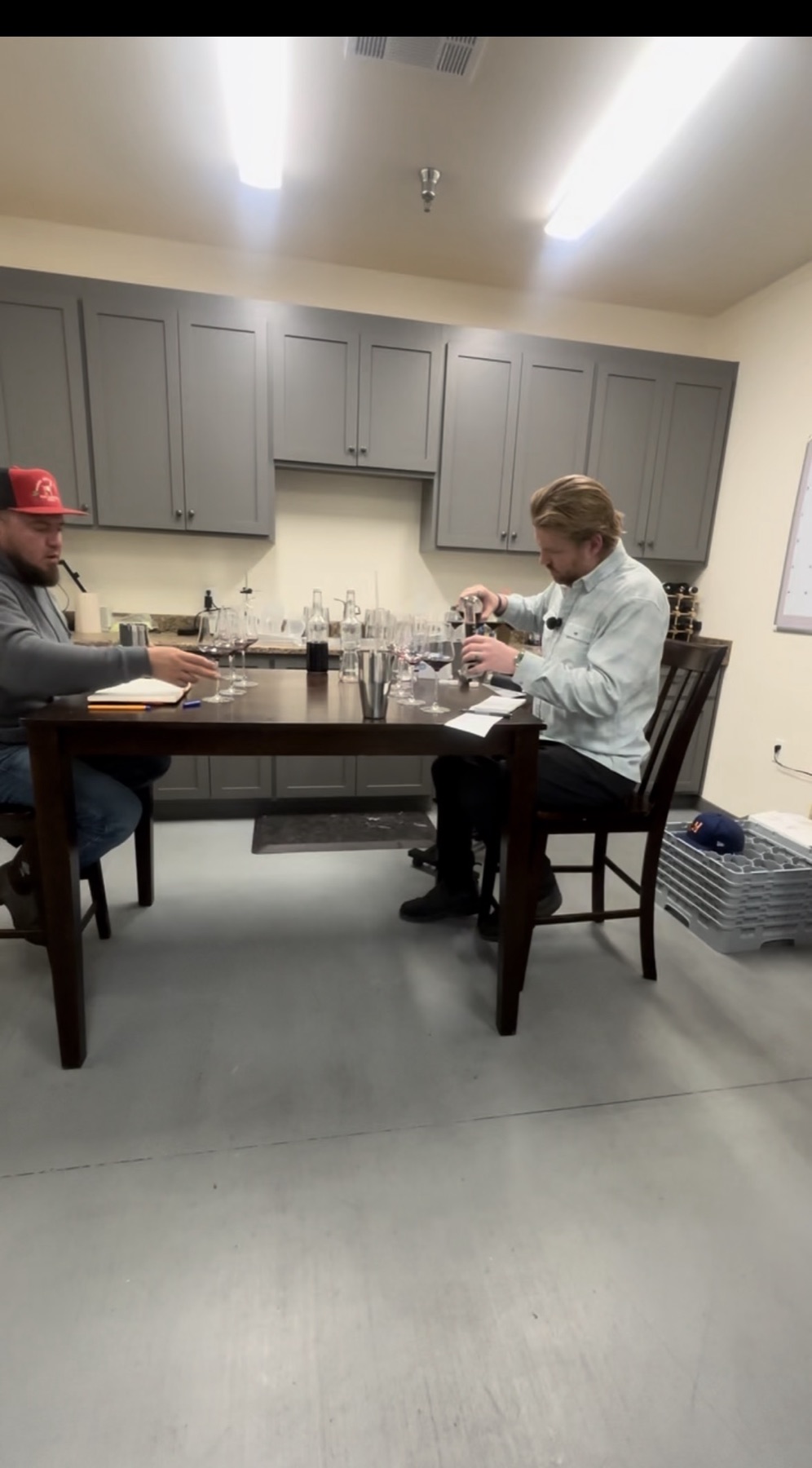
These final sessions involve Hugo, who has been with me in the cave through every step of the 2024 vintage, and Jeff, our consulting winemaker, who has been alongside us all year. The three of us sit at a table with a lot of glasses and work through the combinations together. There is a lot of tasting and not that much talking, at least not at first. Everyone is thinking, then gradually the conversation starts and we figure out what we are all noticing.
Honestly, it is one of my favorite afternoons of the year.
We know these wines so well by July that tasting them together has a different quality than it did back in January or February. You are not getting acquainted with the lots anymore. It is more like catching up with old friends. You know what to expect and they still find ways to surprise you.
Jeff will sign off on the final blend, and his read on the wines matters to me. But the final percentages are always my call, and I take that seriously in the best way. When you open a bottle of the 2024 Brenda’s Vineyard, that blend is a decision I made, and I want it to be worthy of the fruit that went into it, the vineyard from which it came, and the people who are going to drink it years from now.
What goes into the bottle
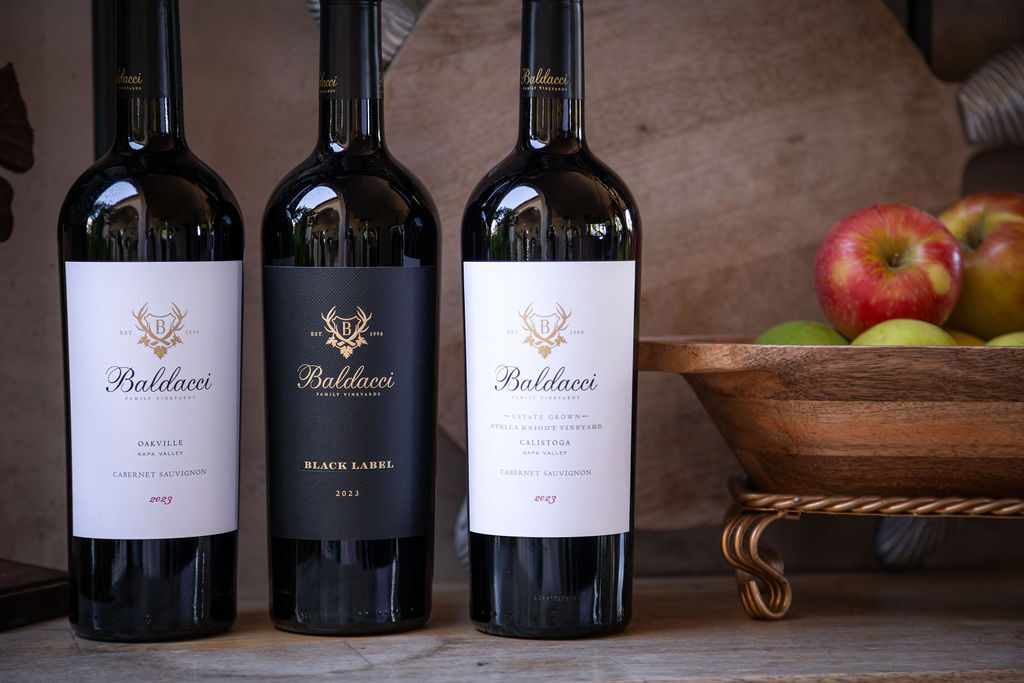
Every bottle of wine you open carries a set of decisions inside it: which blocks, which percentages, which lots made the final cut and which did not, and the specific afternoon when someone tasted through the last round of combinations and said, this is it.
Most of the time that is invisible. The wine shows up as a label and a vintage year. But the blend is in there, and so is the vineyard, and the year, and some version of a July afternoon in our cave with Hugo and Jeff and a lot of glasses on the table. This is what that process crafts: not just a wine, but a record of all the decisions made to craft the very best expression of that wine possible.
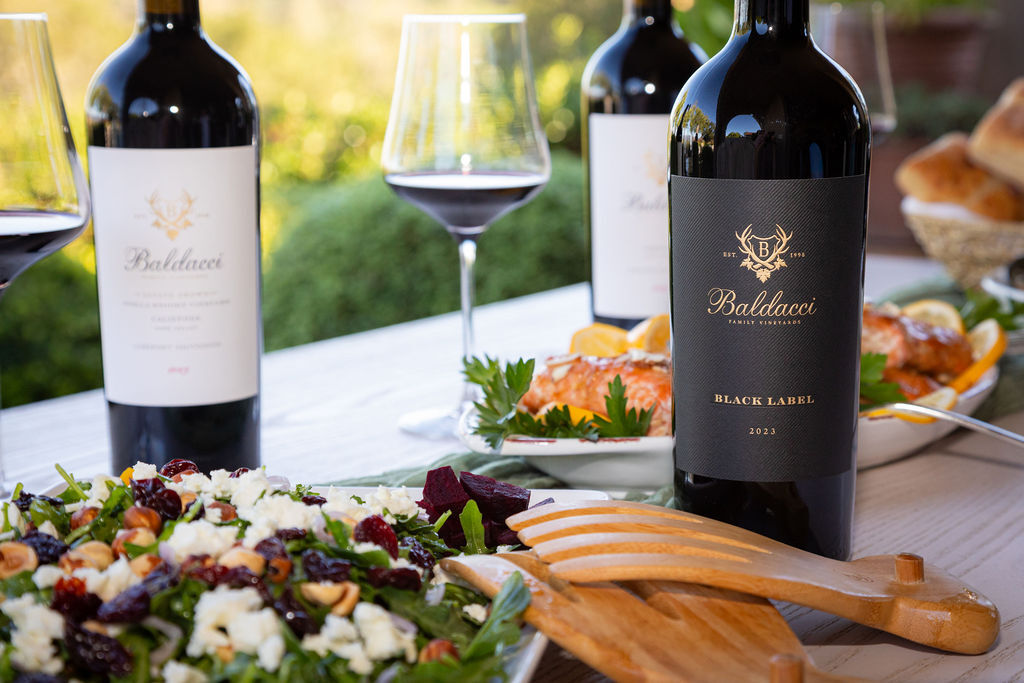
The 2024 Cabernets go to bottle in August. By then, these final refinements will be complete, and the wines will carry this vintage forward for decades to come. For now, I am savoring these last weeks in the cave, with glasses on the table and every tasting an opportunity to confirm that each wine is exactly where it should be before it is captured in bottle.
Michael
Next month: bottling. The 2024 Cabernets come off barrel and onto the line. After that, the cellar starts getting ready for harvest all over again.