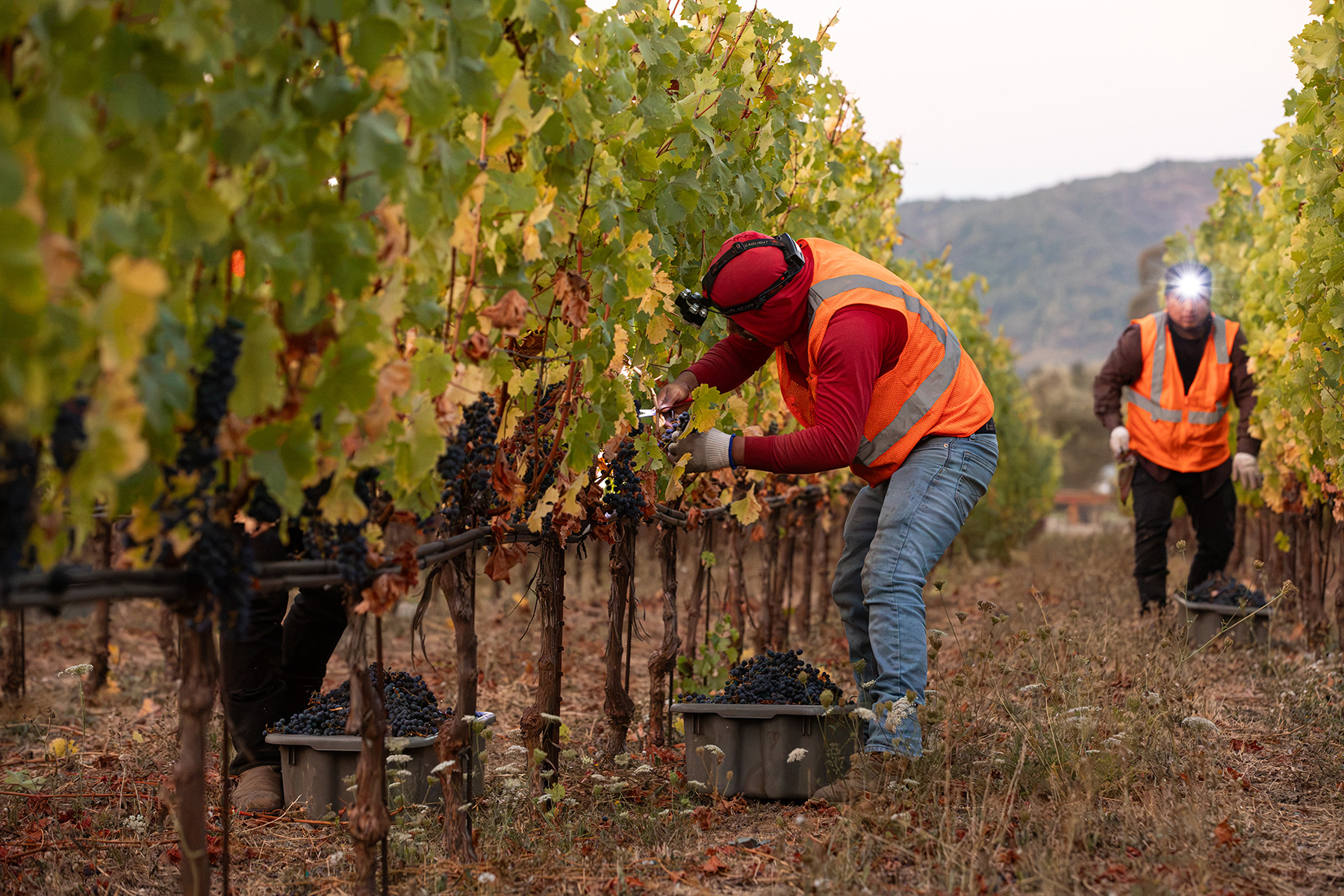
The 2026 harvest is in. All of it.
This is the earliest harvest I can remember. It started sooner and finished faster than any I’ve ever worked. As I write this, every lot from every vineyard is off the vine and in the cellar.
The season started moving early and never really slowed down.
How We Got Here
Unusual heat arrived in March and pushed the growing season forward. Budbreak came early, and every marker through the summer confirmed what we were seeing in the vineyard.
By August, we were picking Pinot Noir and Chardonnay in Carneros, weeks ahead of a normal year, while the bottling line for the 2024s was barely out of the driveway.
Cabernet followed quickly. We harvested our Stags Leap District estate across three picks and 15 individual blocks, all at night. The first bins were at the winery by 7 a.m., cold and clean.
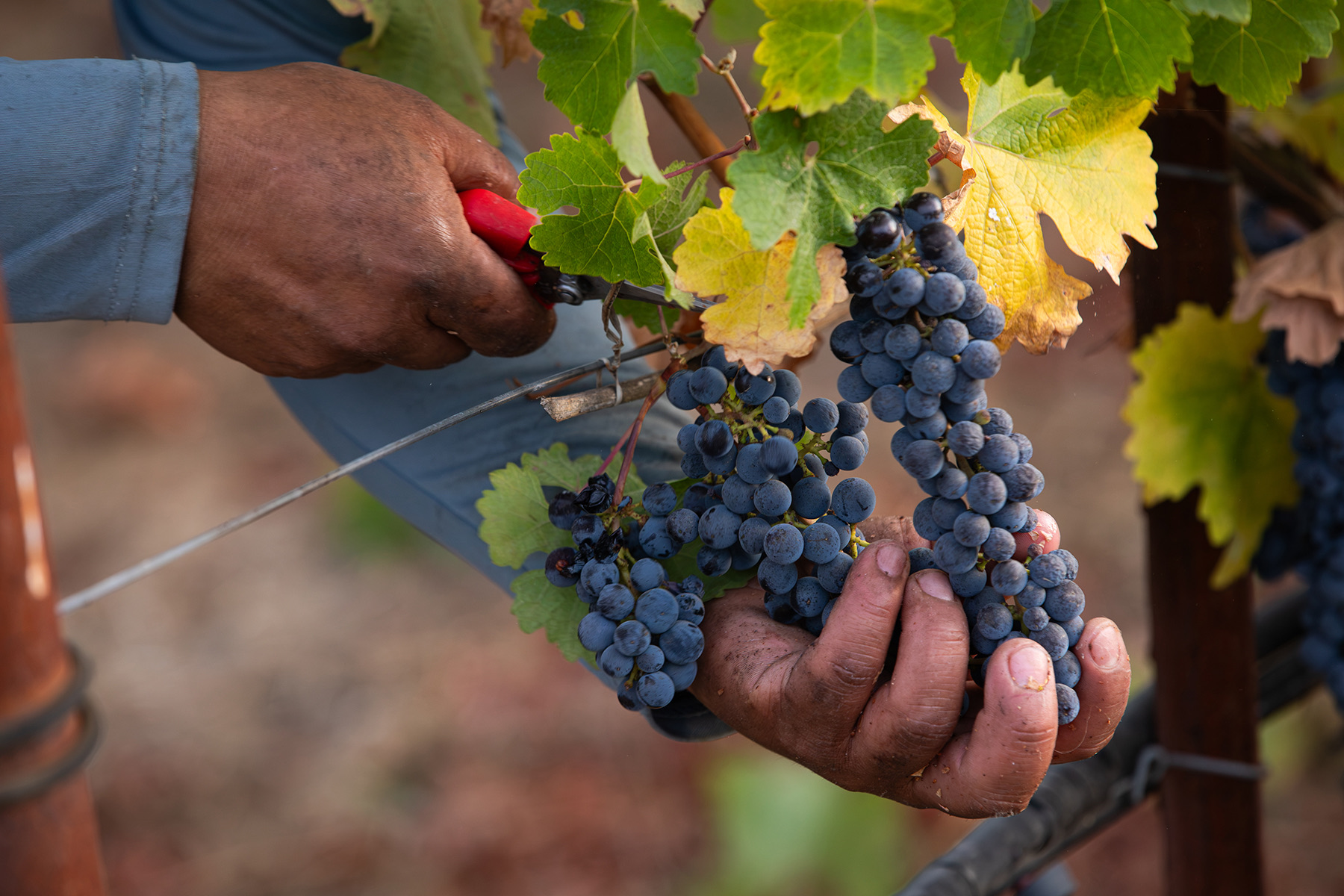
Our final pick came in on September 23, still weeks ahead of a typical year. Last year’s harvest gave us great fruit but stretched on for months. This year was the opposite: fast, compressed, and over almost before it started. The team loved it. Fast and furious beats long and grinding every time.
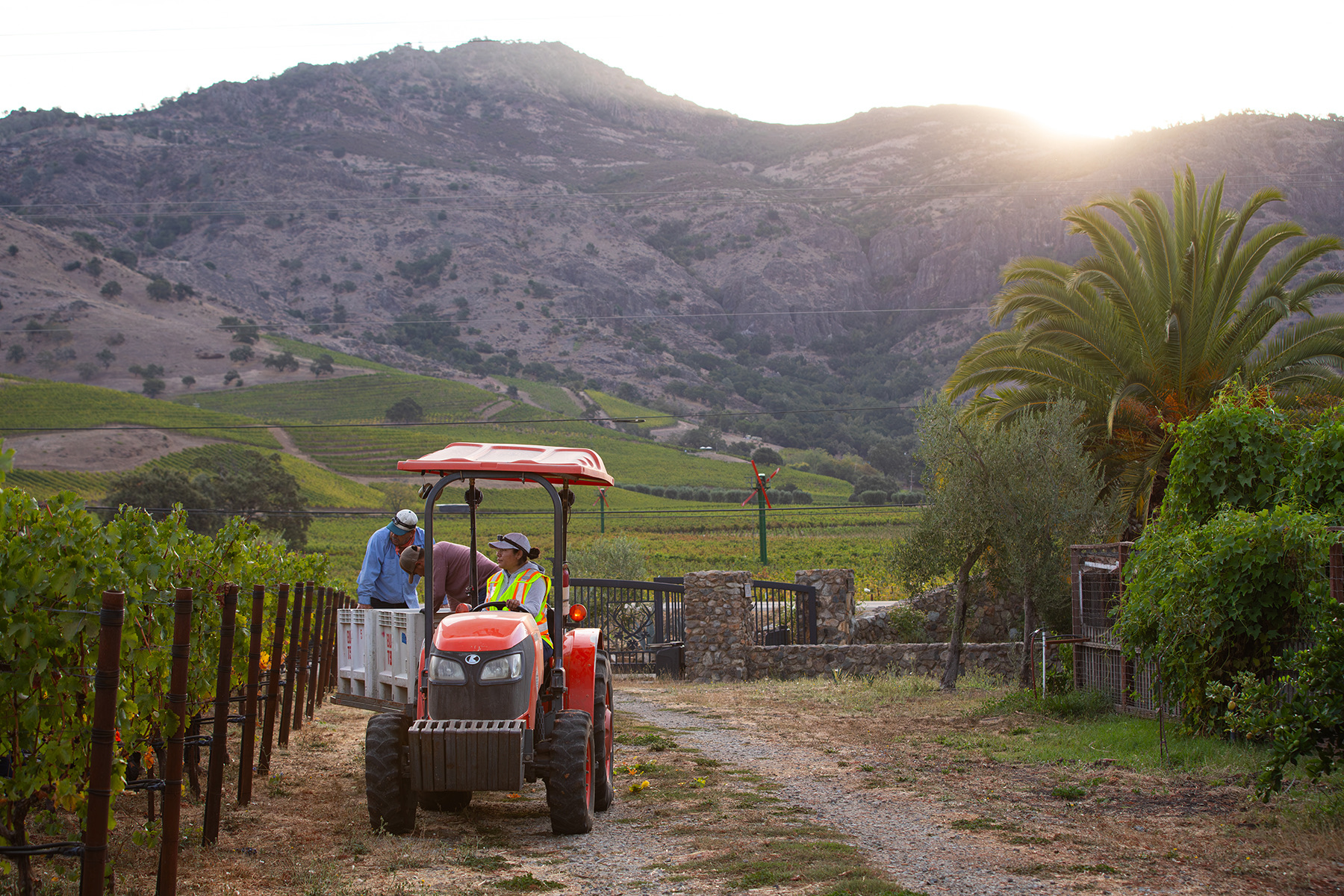
And the fruit is gorgeous. We saw beautiful concentration, depth, and energy coming across the sorting table. Great wine starts with great fruit, and we have it.
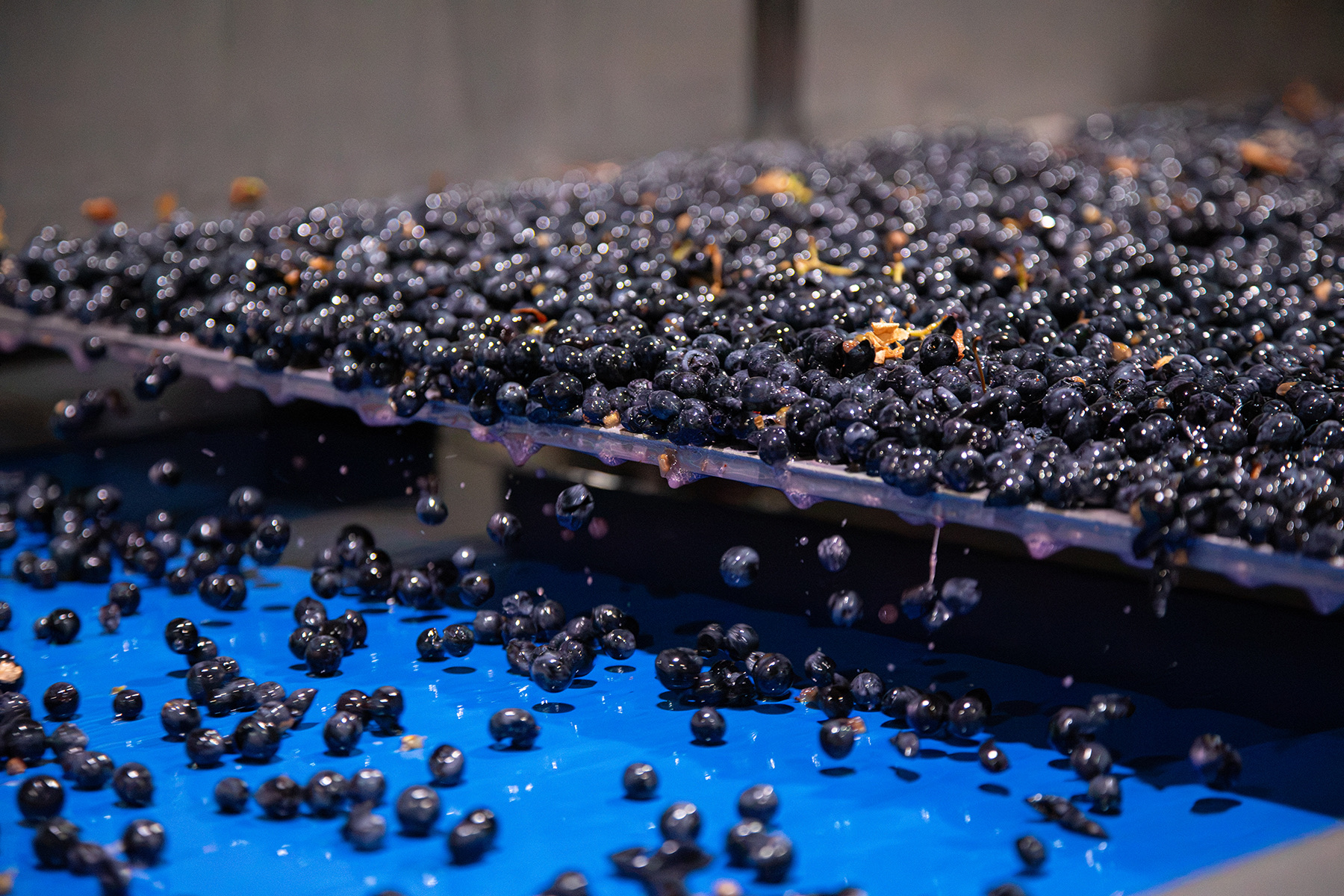
Where the Wines Are Now
Harvest may get most of the attention, but fermentation is where the fruit begins becoming wine. Right now, the cellar is warm, noisy, and very alive.
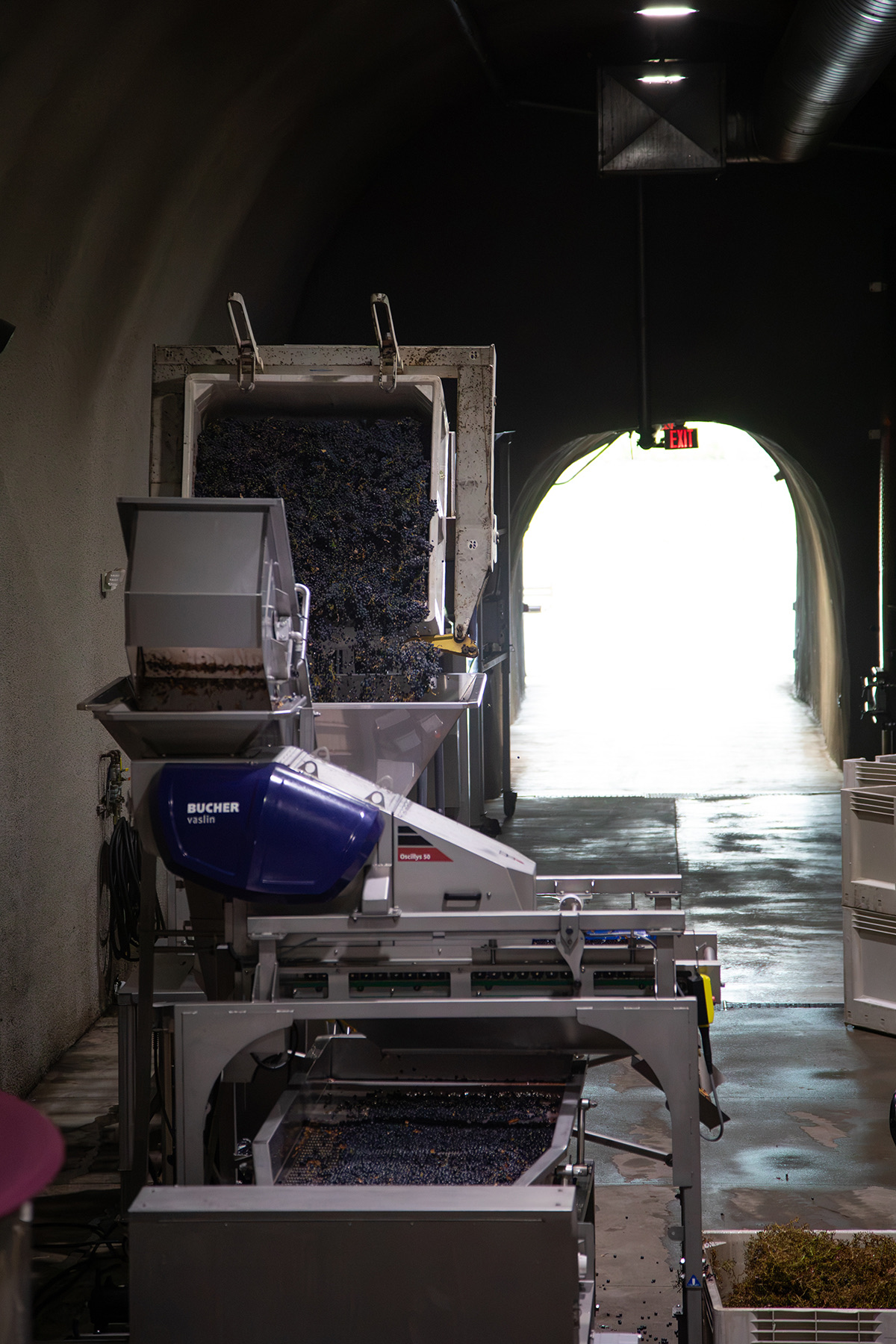
If you follow us on Instagram, you’ve seen some of it. We’ve been following Tank 11, Block 10 from our Stags Leap District estate, through fermentation. We chose one tank so you could follow the process from beginning to end, but Tank 11 gets the same attention as every other lot in the cellar.
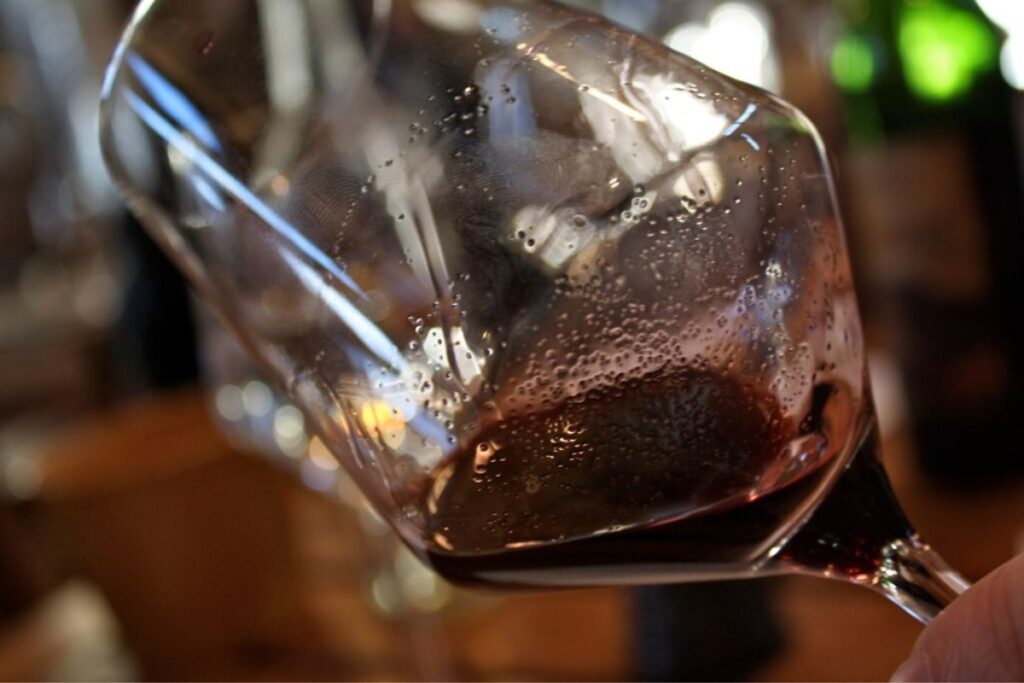
A big part of my day right now is pump-overs. As Cabernet ferments, the grape skins rise to the top of the tank and form a cap. Twice a day, we pull wine from the bottom of the tank and gently pump it over the cap, extracting color, tannin, and flavor.
There isn’t a fixed recipe. How often we pump over, how long we do it, and when we stop depends on the wine.
I check every tank morning and night. I smell the cap, pull samples, taste, and watch the color and tannin develop. The numbers tell me how fermentation is progressing. What I see, smell, and taste tells me what the wine needs next.
Three Picks, 15 Blocks
We picked the estate three times, but within those picks are 15 individual vineyard blocks. We harvest, ferment, and barrel-age those blocks separately.
That takes more work, but it gives me a much broader palette for crafting the finished wines. Each block brings something different: structure, aromatics, depth, texture, acidity, or tannin. Keeping them separate preserves those differences and lets me emphasize one element, pull back on another, or add just a little of what a wine needs.
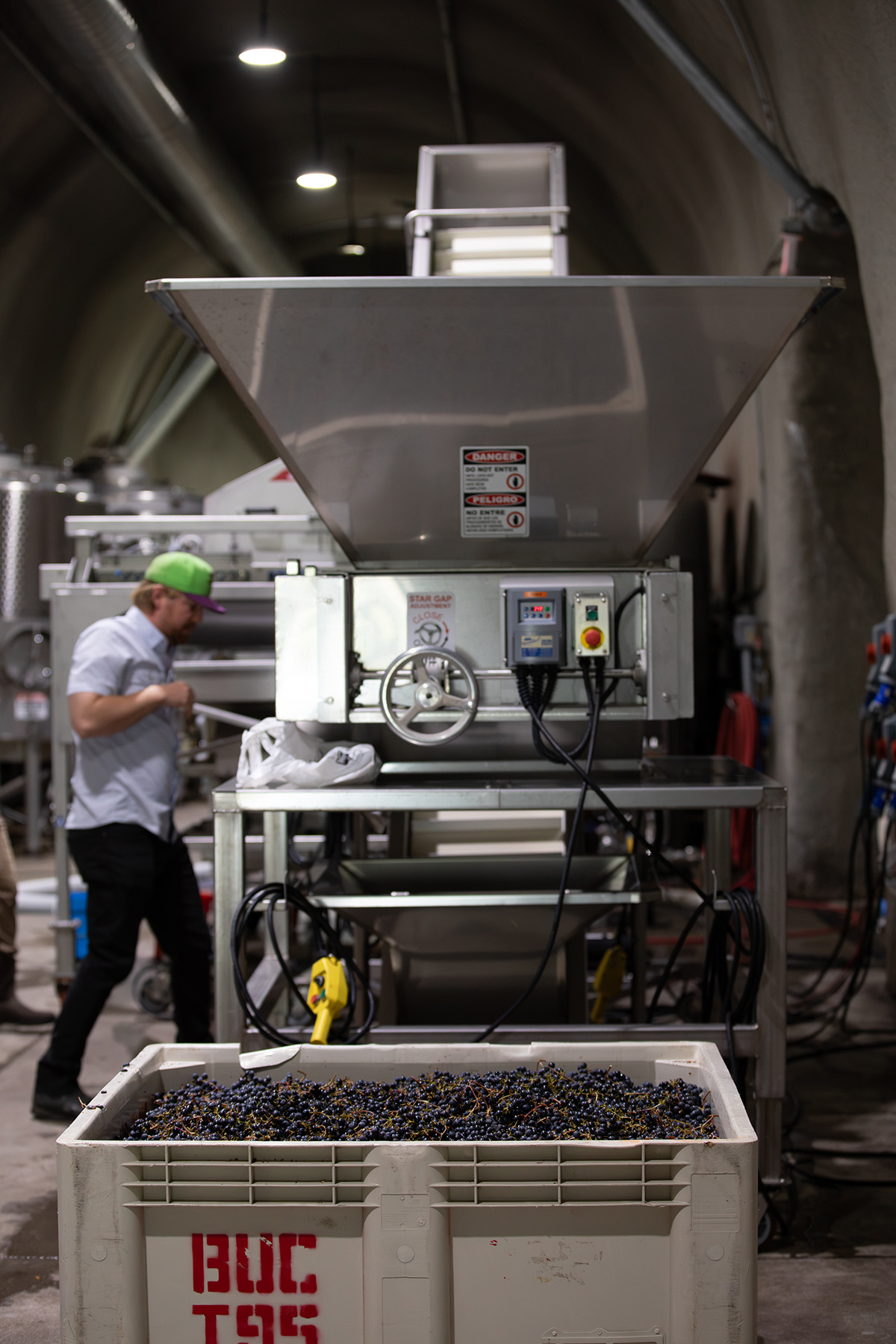
It’s a lot like cooking with a well-stocked spice rack or painting with a full palette. If everything is combined at the beginning, you’ve already made most of your decisions. By keeping each lot separate, I still have all those individual components to work with when we begin blending.
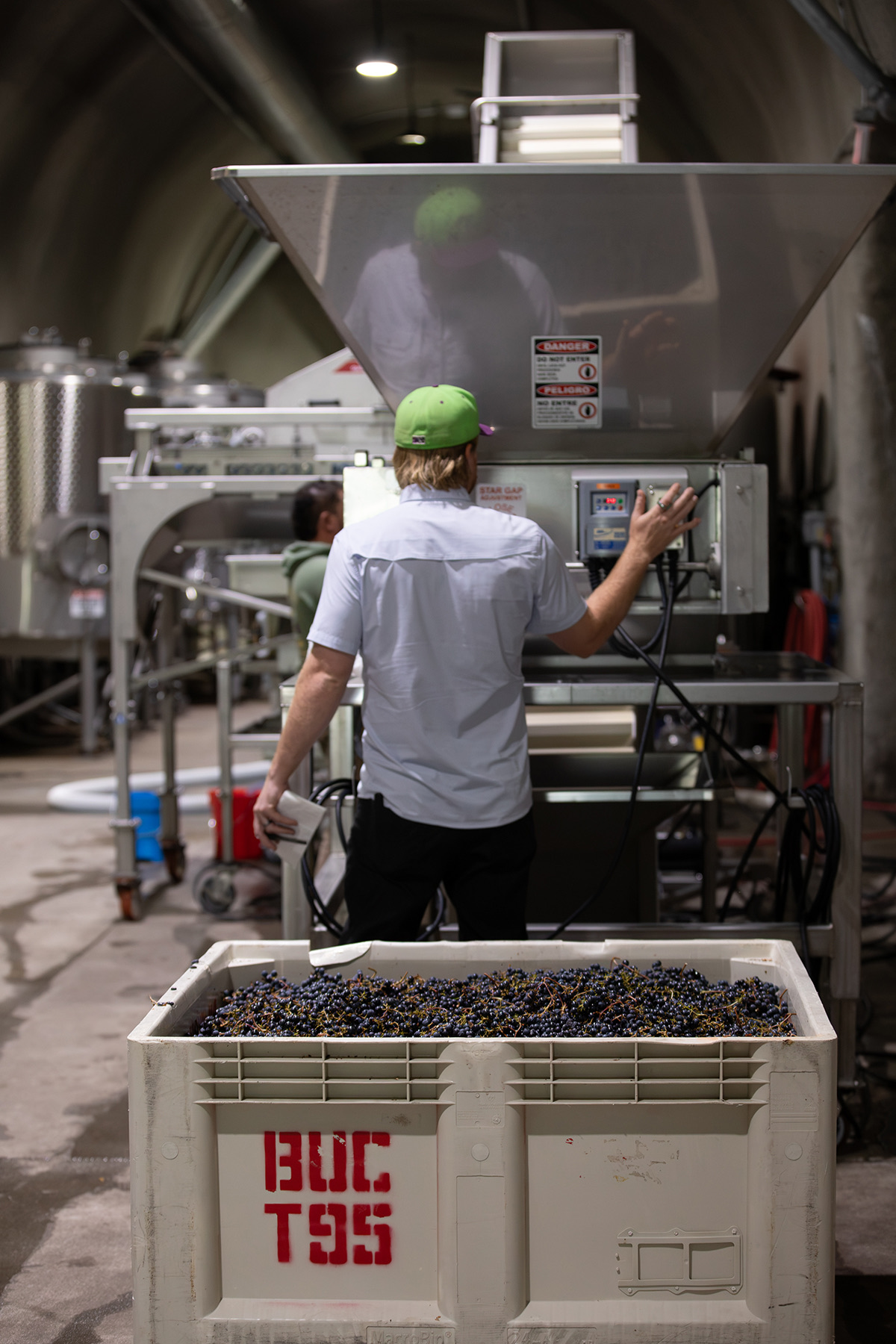
That level of detail is one of the advantages of making wine on our scale. We can pick a block when it is ready, ferment it on its own, follow it through barrel aging, and ultimately decide exactly where it belongs. It’s an important part of how we make wine at Baldacci.
Right now, those 15 lots are all moving at their own pace. Some have finished fermentation and are off the skins. Others are dry but still on the skins. Some are still fermenting, while others have been pressed but continue to ferment.
I taste each lot and decide what it needs and when it needs it. There’s no reason to force them onto the same schedule. The whole point is to preserve what makes each block distinct until it’s time to bring the pieces together.
From Vineyard Block to Brenda’s and Black Label
Ultimately, these 15 blocks will help us build two wines: Brenda’s Vineyard and Black Label Cabernet Sauvignon.
Brenda’s, named for my mother, is a barrel selection representing the highest expression of our Stags Leap District estate. Each block ferments separately and continues to age separately in the cave. Over time, I taste through the individual lots and, eventually, every barrel. Only a very small selection becomes Brenda’s Vineyard.
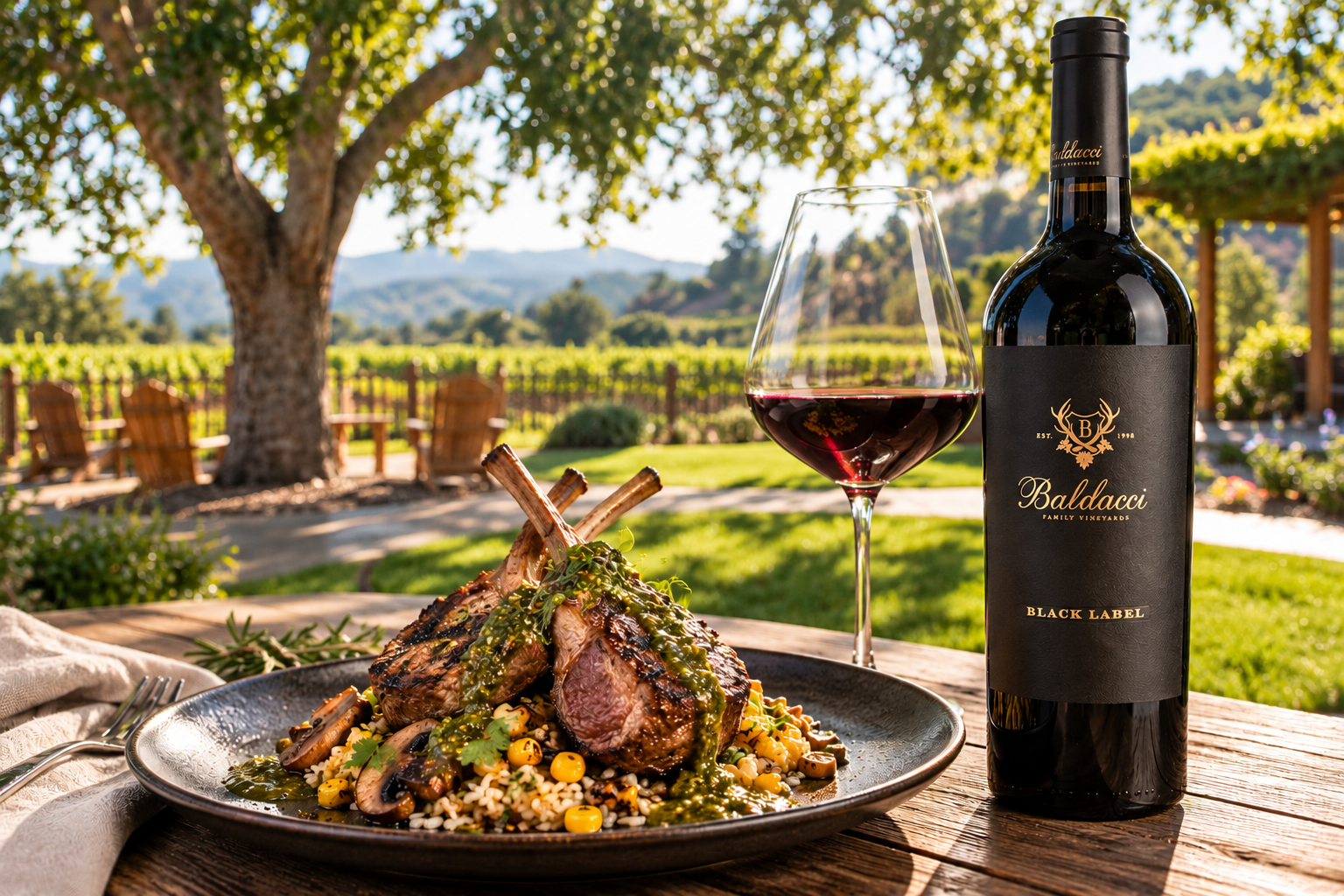
The remaining barrels come together for Black Label, our 100% Cabernet Sauvignon and the signature wine of our Stags Leap District estate.
That selection doesn’t happen now. It develops over time.
What I’m tasting during fermentation is only the beginning. I’ll continue tasting these wines through pressing, barrel aging, and final blending before I make the final designation.
What Comes Next
Over the next few weeks, the remaining tanks will finish fermentation, be drained and pressed, and the 2026 wines will begin moving into barrel.
I’ll keep following Tank 11 so you can see what happens next.
After one of the fastest harvests I can remember, things in the cellar are finally beginning to slow down. The fruit was magnificent, the fermentations are healthy, and I’m excited about what I’m tasting.
Harvest always costs me some sleep. But it’s still my favorite time of year.
Michael
Next month: The 2026 wines head to barrel, and we start getting to know them one lot at a time.